Yes, you can safely boil eggs in most modern electric kettles with concealed (flat) heating elements—it’s a popular hack for dorms, offices, hotels, and tiny kitchens that produces perfect hard-boiled, medium, or soft-boiled eggs in 10–15 minutes with no stove needed.
| Preview | Product | |
|---|---|---|
|
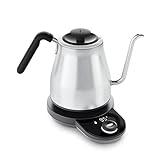
OXO Brew Pour Over Gooseneck Electric Kettle... | See Latest Price |

|
Viante Luxury Tea Set, Electric Kettle With... | See Latest Price |

|
Aarke Kettle - Electric Stainless Steel Tea... | See Latest Price |

|
SAKI Luna Pro Variable-Temperature Electric... | See Latest Price |

|
OXO Brew Adjustable Temperature Kettle,... | See Latest Price |
|
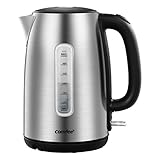
COMFEE' Stainless Steel Electric Kettle, 1.7... | See Latest Price |

|
Amazon Basics Electric Kettle with Glass... | See Latest Price |

|
Cosori Electric Kettle, No Plastic Contact... | See Latest Price |
Avoid kettles with exposed coils (they can crack eggs), never overcrowd, and clean thoroughly afterward to prevent residue buildup. Thousands of people do this daily without issues, but always check your manual—some brands advise against food to preserve warranty.
Boiling eggs in an electric kettle might sound like a wild life hack, but it’s one of the most reliable no-cook methods out there—faster than a stovetop, energy-efficient, and surprisingly foolproof when done right.
Whether you’re a busy parent prepping breakfast, a traveler craving protein, or just curious if that kettle can do more than tea, this guide covers everything: the science, step-by-step methods, timing charts, safety tips, cleaning tricks, and alternatives if your kettle isn’t suitable.
Why It Works (and When It Doesn’t)
Electric kettles boil water incredibly fast (1500–3000W power), creating the perfect environment for evenly cooked eggs. The hot water circulates gently once boiling stops, mimicking the “off-heat” method professional chefs use for perfect yolks.
It works great if:
- Your kettle has a flat/concealed heating element (most modern ones do)
- Wide base and removable lid
- At least 1–1.7L capacity
Avoid if:
- Exposed coil at the bottom (eggs touch super-hot metal → instant cracking)
- Narrow spout or fixed lid (hard to add/remove eggs)
- Very old/cheap model (uneven heating)
About 90% of current kettles on the market are egg-friendly—the cracking horror stories usually come from old coil models.
Kettle Types: Safe vs. Risky for Eggs
| Kettle Type | Safe for Eggs? | Reason | Common Brands/Models |
|---|---|---|---|
| Concealed/Flat Element | Yes (Best) | Eggs never touch extreme heat; even cooking | Breville, Cuisinart, Smeg, most stainless |
| Exposed Coil | No | Direct contact cracks shells instantly | Older basic models |
| Glass with Concealed Element | Yes | Visible process, easy cleaning | Bodum, Zwilling, many premium |
| Travel/Mini (0.5–1L) | Sometimes | Limited space = higher crack risk | Small collapsible or hotel types |
Foolproof Step-by-Step Methods
Method 1: Classic Hard/Medium/Soft Boil (Most Popular)
- Take eggs out of fridge 10–15 minutes early (reduces cracking).
- Gently place 1–6 eggs in empty kettle (don’t drop!).
- Add cold water to cover eggs by 1–2 inches (about 1–1.5L).
- Optional: Add 1 tsp salt or vinegar (helps peeling + seals small cracks).
- Turn kettle on—let it come to full boil and auto-shutoff.
- Leave lid closed and set timer (see chart below).
- Prepare ice bath.
- Carefully pour out hot water (or use tongs/slotted spoon to remove eggs).
- Shock in ice water 5 minutes—perfect peel every time.
Timing Chart After Kettle Shuts Off (Room Temperature Eggs)
| Doneness | Time After Shut-Off | Yolk Texture | Best For |
|---|---|---|---|
| Soft-Boiled | 4–6 minutes | Runny | Ramen, toast soldiers |
| Medium-Boiled | 7–9 minutes | Jammy, partially set | Salads, snacks |
| Hard-Boiled | 10–14 minutes | Fully set, no green ring | Egg salad, deviled eggs |
Colder eggs or full kettle = add 1–2 minutes. Test your first batch!
Method 2: Pour-Over (Safest for Cracking-Prone Eggs)
- Boil full kettle of water.
- Place room-temp eggs in heatproof bowl/mug.
- Slowly pour boiling water over eggs.
- Cover and time as above.
- Zero risk to kettle—perfect for nervous beginners.
Method 3: Steam-Style (For Exposed Coil Kettles)
Use a metal steamer basket or foil “sling” to keep eggs off the bottom—advanced, but works.
Pro Tips to Prevent Cracking & Get Easy-Peel Eggs
- Always start with room-temperature eggs (cold + sudden heat = cracks).
- Prick the rounded end with a pin (lets air escape).
- Add salt/vinegar/baking soda to water.
- Don’t overcrowd—eggs need space to move gently.
- Use a kettle with wide mouth and removable lid.
- For glass kettles: Watch the magic happen!
Cleaning Your Kettle After Boiling Eggs
Eggs leave a thin protein film that can build up and affect taste.
- Immediately rinse with hot water.
- Fill halfway with water + 1–2 tbsp baking soda or vinegar.
- Boil, let sit 10 minutes.
- Scrub gently with soft sponge.
- Repeat if needed—your kettle stays fresh forever.
Frequently Asked Questions
Is it really safe to boil eggs in an electric kettle?
Yes—it’s completely safe with modern concealed-element kettles used by millions worldwide in dorms, offices, and hotels. The water reaches exactly 100°C/212°F and cooks eggs evenly without direct flame or superheated spots.
Cracking only happens with exposed coils or cold eggs dropped suddenly. Thousands of Reddit, YouTube, and Instructables users do this daily with zero issues. The protein film washes off easily with vinegar/baking soda—no permanent damage when cleaned properly. Just avoid very cheap/old models.
Will boiling eggs damage my electric kettle or void the warranty?
It won’t damage a concealed-element kettle if cleaned regularly—the thin residue is harmless and removable. However, most manuals say “water only” to cover themselves, so technically it could void warranty if something unrelated fails.
In practice, manufacturers rarely deny claims over eggs (unlike milk, which truly destroys elements). Use common sense: occasional batches are fine; daily heavy use might cause minor buildup over years.
How can I prevent eggs from cracking in the kettle?
Start with room-temperature eggs, place them gently (never drop), add salt/vinegar, and avoid overcrowding. Use a concealed-element kettle—eggs never touch extreme heat.
Pricking the large end with a pin releases air pressure. If worried, use the pour-over method (boil water first, pour over eggs in a bowl). These tricks eliminate 99% of cracking issues.
What’s the best timing for perfect hard-boiled eggs in a kettle?
After the kettle auto-shuts off, leave eggs in hot water 10–14 minutes depending on size and starting temperature. 12 minutes is the sweet spot for most large eggs—fully set yolk, no green ring, easy peel.
Small eggs: 10 minutes; extra-large/jumbo: 13–15 minutes. Always shock in ice water immediately after. Test one batch with your specific kettle—insulation varies.
Can I make soft-boiled or medium-boiled eggs in an electric kettle?
Absolutely—one of the best methods! After shut-off, time 4–6 minutes for soft (runny yolk) or 7–9 minutes for medium (jammy center).
The gentle off-heat cooking gives more consistent results than stovetop. Perfect for ramen, avocado toast, or soldiers. Use the same precautions as hard-boiled.
How do I clean egg residue from my kettle easily?
The protein film comes off instantly with natural cleaners: Fill halfway with water + 2 tbsp baking soda or white vinegar, boil, let sit 10–15 minutes, then rinse.
For stubborn buildup, repeat or add lemon slices. Never use harsh abrasives—they scratch stainless steel. Your kettle will be spotless and odor-free in minutes.
Conclusion
Boiling eggs in an electric kettle isn’t just possible—it’s one of the smartest kitchen hacks around. With a concealed-element model and the simple method above, you’ll get perfect eggs faster and easier than any stovetop, with zero babysitting.
From dorm rooms to luxury hotels, this trick has saved countless breakfasts. Give it a try with 2–3 eggs first—you’ll be amazed how well it works, and soon you’ll wonder why anyone bothers with pots. Just clean thoroughly, respect your kettle’s limits, and enjoy protein-packed perfection anytime!