The stove evolved from simple open fires used by early humans over 1.5 million years ago to enclosed clay hearths in ancient China and Europe, cast-iron wood-burning models in the 18th century (like Benjamin Franklin’s 1742 Pennsylvania Fireplace and Count Rumford’s improvements), coal and gas stoves in the 19th century, electric ranges in the early 20th century, and today’s energy-efficient induction and smart stoves.
| Preview | Product | |
|---|---|---|
|
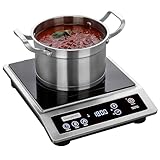
ChangBERT Induction Cooktop, Commercial Grade... | See Latest Price |

|
GasOne High Pressure Single Propane Burner -... | See Latest Price |
|
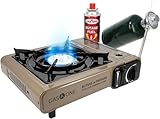
Gas One GS-3400P Propane or Butane Stove Dual... | See Latest Price |

|
Elite Gourmet ESB100B Countertop Single... | See Latest Price |

|
Elite Gourmet Double Cast Iron Burner, 1500W... | See Latest Price |

|
Elite Gourmet EDB-302BF# Countertop Double... | See Latest Price |

|
Elite Gourmet Electric Burner, 1000W Cast... | See Latest Price |

|
Coleman Triton+ 2-Burner Propane Camping... | See Latest Price |
|
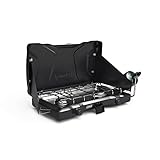
Coleman Triton 2-Burner Propane Stove,... | See Latest Price |
This journey reflects humanity’s quest for safer, cleaner, more efficient cooking and heating—transforming smoky, dangerous hearths into precise, eco-friendly appliances that save time, reduce pollution, and even connect to your phone.
What started as a basic survival tool has become a centerpiece of modern kitchens, driven by innovation, fuel availability, urbanization, and environmental awareness. Whether you’re a history buff, a home cook curious about your sleek induction hob, or someone dreaming of off-grid living with a classic wood burner, understanding this evolution reveals how far we’ve come—and where we’re headed next.
Ancient Beginnings: Mastering Fire for Cooking and Warmth
Humans have cooked over fire for at least 1.5 million years, with the earliest controlled hearths appearing around 500,000 years ago in Europe and Africa. These were simple pits or three-stone arrangements that supported pots and maximized heat while minimizing wind interference.
In ancient China during the Qin Dynasty (221–206 BC), clay stoves with multiple tiers revolutionized cooking—hotter lower levels for boiling, gentler upper ones for steaming. Similar raised kamado-style clay stoves emerged in Japan by the Kofun period (3rd–6th century AD).
Across the Mediterranean, Romans and Egyptians used brick ovens for bread, while braziers (portable metal fire holders) heated homes and food. Open fires dominated medieval Europe, with cauldrons hung over central hearths in great halls—smoky, inefficient, and hazardous.
By the late Middle Ages, waist-high brick hearths with early chimneys reduced kneeling and smoke inhalation. The first fully enclosed stove on record appeared in 1490 in Alsace, France: a brick-and-tile design complete with flue, marking the shift from open flames to contained heat.
These early innovations laid the foundation: enclosing fire improved efficiency, safety, and multi-pot cooking, setting the stage for metal stoves.
The Age of Cast Iron: 17th–19th Century Breakthroughs
Cast iron transformed stoves in the 1600s. Early European “five-plate” or jamb stoves (German-inspired) enclosed fires in iron boxes, radiating heat into rooms while venting smoke through chimneys.
In colonial America, settlers imported these designs. Benjamin Franklin’s 1742 Pennsylvania Fireplace (often called the Franklin stove) was a game-changer: a freestanding cast-iron box with baffles that circulated hot air, using far less wood than open fireplaces while producing more warmth and less smoke. Though initially flawed (smoke sometimes backed up), David Rittenhouse’s 1770s L-shaped flue fix made it iconic across North America.
In 1795, Count Rumford (Benjamin Thompson) refined fireplace efficiency with shallow, angled designs that reflected more heat into rooms—still used in “Rumford fireplaces” today.
The 1800s brought compact cooking stoves. The 1834 Oberlin stove by Philo Stewart was small enough for home kitchens, with improved airflow and ovens. Cast-iron ranges with multiple burners and ovens became common by mid-century, fueled by abundant coal after wood shortages.
These stoves separated cooking from heating, made kitchens safer (no more floor fires), and enabled precise temperature control—ushering in the era of baked goods and complex recipes.
Timeline of Key 18th–19th Century Milestones
| Year/Period | Invention/Milestone | Key Innovator/Region | Major Impact |
|---|---|---|---|
| 1642 | First manufactured cast-iron stove | Lynn, Massachusetts | Enclosed heating, reduced smoke |
| 1742 | Pennsylvania Fireplace (Franklin stove) | Benjamin Franklin (USA) | 4x more efficient than open fires |
| 1795 | Rumford fireplace/stove improvements | Count Rumford (England/Europe) | Better heat reflection, shallower design |
| 1834 | Oberlin compact cast-iron cooking stove | Philo Stewart (USA) | Home-sized with oven, widespread adoption |
| Mid-1800s | Multi-burner coal/wood ranges | Various (USA/Europe) | Dedicated kitchen cooking appliances |
The Fuel Revolution: Gas, Oil, and Electricity Take Over
The 19th century shifted from solid fuels to cleaner alternatives.
Gas stoves emerged first: James Sharp patented a practical model in 1826 England, with widespread adoption by the 1880s as city gas lines expanded. Gas offered instant control, no ash, and cooler kitchens—perfect for urban homes.
Oil (kerosene/paraffin) stoves filled gaps in non-gas areas from the 1860s–1900s, portable and affordable.
Electricity arrived dramatically: An electric range debuted at the 1893 Chicago World’s Fair. Canadian Thomas Ahearn demonstrated one in 1892, but high costs and limited rural power delayed popularity until the 1920s–1930s. Early electric coil burners glowed red, with self-cleaning ovens by the 1960s.
Post-WWII, electric and gas ranges dominated, featuring thermostats, timers, and smoother glass-ceramic tops (1970s). Microwave integration and convection fans made cooking faster and more even.
Gas vs. Electric vs. Early Solid Fuel Comparison
| Fuel Type | Introduction Era | Pros | Cons | Peak Popularity |
|---|---|---|---|---|
| Wood/Coal Cast Iron | 1700s–1800s | Cheap fuel, excellent heat radiation | Smoky, labor-intensive, hot kitchens | 1800s–early 1900s |
| Gas | 1820s–1880s | Instant on/off, precise control | Needed piped gas, flame risks | 1920s–1970s (still strong today) |
| Electric (Coil) | 1890s–1930s | Clean, even heat, no open flame | Slow heat-up/cool-down, high initial cost | 1950s–present |
| Oil/Kerosene | 1860s–1900s | Portable, no infrastructure needed | Smelly, fire hazard | Rural areas early 20th century |
Modern Era: Induction, Smart Tech, and Sustainability
The late 20th and 21st centuries focused on efficiency, safety, and the environment.
Induction cooking—using electromagnetic fields to heat pots directly—patented in the early 1900s, debuted practically in the 1970s (Westinghouse Cool Top). Early models were expensive and noisy, but today’s induction hobs boil water in seconds, stay cool to the touch, and are 90%+ efficient (vs. 70% for gas).
Glass-ceramic smooth tops (1970s) paved the way for sleek designs. The 1980s–1990s brought professional-style high-BTU gas burners for home use, dual-fuel ranges (gas top, electric oven), and self-cleaning pyrolitic ovens.
Smart stoves arrived in the 2010s: Wi-Fi-connected models preheat via apps, suggest recipes, and integrate with voice assistants. Some detect pan size, auto-adjust heat, or even stir (robotic arms in prototypes).
Sustainability drives innovation: Pellet stoves burn compressed wood waste cleanly; solar and biogas models serve off-grid areas. Modern wood stoves achieve 80%+ efficiency with secondary combustion, far from ancient open fires’ 10–20%.
The Future: Eco-Friendly, Connected, and Even Smarter
Today’s stoves prioritize low emissions—many regions phase out gas for all-electric induction to cut indoor pollution and methane leaks. Hybrid models (induction + gas) offer flexibility.
Tomorrow? AI-guided cooking that scans ingredients and adjusts perfectly, built-in cameras for remote monitoring, or fully robotic kitchens. Yet classics endure: High-end wood and pellet stoves remain popular for ambiance and emergency heat.
The stove’s evolution mirrors human progress—from survival tool to technological marvel—always balancing convenience, safety, and sustainability.
Frequently Asked Questions
When was the first stove invented?
The first fully enclosed stove dates to 1490 in Alsace, France—a brick-and-tile design with a proper flue that contained fire and directed smoke outside, a massive leap from open hearths. However, humans used simple clay or stone cooking enclosures much earlier: multi-tiered clay stoves appeared in China’s Qin Dynasty (221–206 BC), allowing simultaneous cooking at different temperatures.
True metal stoves began in the 1600s with German “five-plate” cast-iron boxes imported to America. Benjamin Franklin’s 1742 Pennsylvania Fireplace popularized freestanding iron stoves that heated rooms far more efficiently.
These early enclosed designs reduced smoke inhalation, fire risks, and fuel use while enabling better cooking control. The 1490 Alsace model is considered Europe’s first “modern” stove because it combined containment, flue, and multi-room heating potential. In Asia, kamado-style raised clay stoves from Japan’s Kofun period (3rd–6th century) served similar purposes. The concept evolved independently worldwide, driven by the universal need to cook safely indoors. Today, that 500-year-old brick stove’s principles—containment, ventilation, efficiency—live on in everything from pellet burners to induction hobs.
Who invented the Franklin stove and how did it change home heating?
Benjamin Franklin invented the Pennsylvania Fireplace (commonly called the Franklin stove) in 1742 amid Philadelphia’s wood shortages and smoky open fireplaces. It was a cast-iron box with internal baffles that circulated hot air and an inverted siphon flue, using 75% less wood while producing more warmth and far less smoke.
Original designs had draft issues (smoke sometimes entered rooms), but David Rittenhouse’s 1780s L-shaped flue fix perfected it. The stove radiated heat directly into rooms rather than losing most up chimneys, warming homes faster and cleaner.
It transformed colonial life: Families burned less fuel (critical during shortages), reduced indoor smoke (improving health), and freed fireplace space for cooking elsewhere. Thousands were sold across America and Europe, inspiring Count Rumford’s further refinements. Though primarily a heater, it influenced cooking stoves by proving iron’s efficiency. Modern EPA-certified wood stoves still use Franklin’s convection principles. He famously refused to patent it, saying inventions should benefit humanity freely—a radical idea that accelerated adoption.
What was the first gas stove and why did it become popular?
James Sharp of England patented the first practical gas stove in 1826, with commercial models appearing in the 1830s–1850s. Early experiments date to 1802, but reliable city gas networks made them viable by the 1880s–1920s.
Gas stoves exploded in popularity because they eliminated wood/coal mess—no ash hauling, no pre-dawn fire-starting. Flames ignited instantly with precise control (turn a knob for low simmer or high sear), kitchens stayed cooler without radiant heat, and they were safer indoors than open fires.
Urbanization fueled adoption: Apartments lacked chimney space or wood storage, but gas pipes reached cities easily. By the 1920s, most Western households had gas ranges with ovens and multiple burners. They enabled new cooking techniques (quick boiling, even baking) and freed women from heavy fuel labor, contributing to social changes. Though electric later competed, gas remains beloved by chefs for visual flame feedback. Modern sealed burners and auto-ignition make them even cleaner and safer.
When did electric stoves become common in homes?
Electric stoves appeared at the 1893 Chicago World’s Fair and were patented earlier (William Hadaway in 1896), but high electricity costs and limited rural power kept them rare until the 1920s–1930s. Post-WWII electrification boomed adoption—by the 1950s, electric ranges dominated new suburban homes.
Early models used exposed coils that glowed red; glass-ceramic smooth tops arrived in the 1970s. Self-cleaning ovens (1960s) and digital controls sealed the deal.
Electricity offered ultimate cleanliness—no soot, no gas leaks—and even baking via consistent resistance heating. Rural electrification programs (like America’s New Deal) brought power nationwide. Today, coil, radiant, and induction electric dominate globally for safety and efficiency. In many regions, building codes now favor all-electric over gas for lower emissions. The shift from novelty to necessity took just 50 years—faster than any prior fuel change.
What is induction cooking and when was it invented?
Induction cooking uses electromagnetic fields to heat cookware directly (not the hob surface), making it ultra-efficient (84–90% energy transfer vs. 40% for gas) and safe—the stovetop stays cool.
Patents date to the early 1900s, with demonstrations in the 1930s (GM showed one heating water through newspaper). Practical home models emerged in the 1970s (Westinghouse Cool Top), but high cost ($1,500+ per unit) limited sales until the 2000s.
Westinghouse pioneered modern induction in the USA (1970s), while Europe/Asia refined it earlier for commercial use. Today’s hobs are affordable, fast (boil water in 90 seconds), and precise like gas but without flames.
Only ferromagnetic pots work (cast iron, some stainless), but adapters exist. Induction now surges globally—mandated in some new builds for zero emissions and child safety. It’s the biggest leap since electricity itself: No heat waste, instant response, and easy cleaning revolutionized professional and home kitchens alike.
Why are modern stoves more efficient and environmentally friendly than old ones?
Modern stoves achieve 70–90% efficiency versus ancient open fires’ 5–20% or 19th-century cast iron’s 30–50%. Secondary combustion in wood/pellet stoves reburns gases; catalytic converters scrub emissions; induction transfers heat directly to pots with almost no loss.
EPA regulations since the 1980s slashed wood stove pollution 90%—today’s models emit less particulate than a single old leaky stove. Gas stoves now have sealed burners reducing leaks; many regions push all-electric to eliminate indoor methane/nitrogen dioxide.
Smart sensors auto-shutoff, detect boil-overs, and optimize power. Materials like glass-ceramic and insulated ovens retain heat better. Biomass pellets use waste wood sustainably; solar/biogas models serve developing regions cleanly.
Overall, we waste far less energy and pollute dramatically less—while cooking faster and safer. The evolution from smoky hearths to near-zero-emission smart hobs shows technology solving problems it once created.
Conclusion
From flickering ancient campfires to sleek induction surfaces that boil water before your kettle whistles, the stove’s 500,000-year journey is nothing short of extraordinary. Each era—clay enclosures, cast-iron giants, gas precision, electric reliability, and now electromagnetic magic—solved real problems: smoke-filled homes, fuel shortages, summer-hot kitchens, pollution, and energy waste.
Today’s stoves cook better than ever while respecting our planet and health. Whether you cherish the crackle of a wood fire, the blue flame of gas, or the silent speed of induction, you’re part of a story that began when early humans first tamed fire. The next chapter? Even smarter, greener designs that might make today’s tech look quaint. One thing’s certain: As long as we love good food and warm homes, the stove will keep evolving—quietly revolutionizing daily life, one meal at a time.