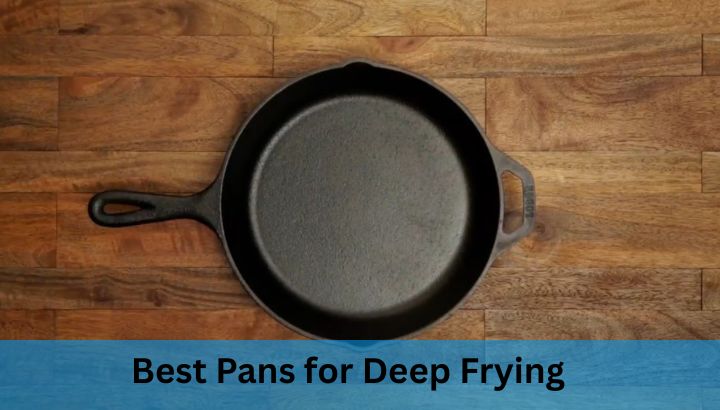
Hey, frying fanatic! Deep frying can turn simple ingredients into crispy delights, but the pan you use makes or breaks the results. The best pans for deep frying have thick bases for even heat, high sides to contain oil, and durable materials like stainless steel or cast iron for safety and longevity.
| Preview | Product | |
|---|---|---|

|
Lodge Cast Iron Covered Deep Skillet -... | See Latest Price |
|
Cuisinel Cast Iron Skillet with Lid -... | See Latest Price |

|
Lodge Seasoned Cast Iron Skillet with... | See Latest Price |

|
Lodge Pre-Seasoned Cast Iron Skillet,... | See Latest Price |

|
Cuisinel Cast Iron Skillet - 10"-Inch X... | See Latest Price |

|
SENSARTE Nonstick Skillet, Deep Frying Pan... | See Latest Price |

|
SENSARTE Nonstick Frying Pan Skillet with... | See Latest Price |
They handle high temperatures without warping, promote consistent bubbling, and clean up easily after greasy sessions. Perfect for french fries, chicken, or doughnuts, these pans ensure golden perfection. In this guide, we sizzle through top picks that blend performance and practicality. Midway through, the best pans for deep frying elevate your home cooking, minimizing splatters and maximizing flavor.
What is the Best Pans for Deep Frying?
The best pans for deep frying include stainless steel stockpots like All-Clad D3 and Cuisinart for even heat, cast iron Dutch ovens from Lodge for retention, and non-stick deep fryers like Presto for easy cleanup.
These 3-5 quart options withstand up to 600°F, feature high sides to contain oil, and are oven-safe, ideal for fries, chicken, or tempura with stable temperatures and minimal sticking.
Quick Overview of Pans for Deep Frying
Deep frying at home requires specialized cookware that handles high temperatures while keeping you safe from splattering oil. The right pan makes all the difference between soggy disappointing results and crispy golden perfection. Traditional cast iron skillets have dominated kitchens for generations due to their exceptional heat retention and durability. Modern alternatives include stainless steel pots with thermometers, heavy aluminum pans with nonstick coatings, and specialized tempura pots designed specifically for frying.
The ideal deep frying pan features several critical characteristics. Depth is paramount as you need at least three inches of clearance above the oil level to prevent dangerous spillovers when food is added. The sides should rise high enough that even when oil bubbles up during frying, it stays safely contained within the pan. Thickness matters tremendously because thin pans cannot maintain consistent temperatures when cold food enters the hot oil, resulting in greasy food that absorbs excess oil instead of crisping properly.
Material selection affects both performance and maintenance requirements. Cast iron offers unmatched heat retention, maintaining oil temperature even when multiple pieces of food are added simultaneously.
However, cast iron requires seasoning and specific care. Stainless steel resists corrosion and cleans easily but lacks the heat retention of cast iron. Heavy aluminum conducts heat efficiently and weighs less than cast iron, making it easier to handle when full of hot oil. Carbon steel combines many benefits of both cast iron and stainless steel.
Capacity considerations depend on what you’re frying and how many servings you need. Small households might manage with a three-quart pan while families or those who entertain frequently benefit from five-quart or larger capacities.
Remember that you never fill a frying pan more than halfway with oil, so a five-quart pan only holds about two quarts of oil safely. The larger surface area of bigger pans allows more food to fry simultaneously without crowding, which is essential for maintaining oil temperature and achieving crispy results.
The 11 Best Pans for Deep Frying
Lodge 5 Quart Cast Iron Deep Skillet with Lid
Lodge Cast Iron Covered Deep Skillet -...
- Deep Cooking Capacity: The Lodge Cast Iron Covered...
- Included Cast Iron Lid: The heavy-duty covered...
This iconic American-made cast iron deep skillet represents everything that makes cast iron perfect for frying. The five-quart capacity provides ample room for frying chicken, fish, or batches of donuts while the three-inch depth contains oil safely. Lodge has manufactured cast iron cookware since 1896, and this deep skillet showcases over a century of refinement and expertise.
The pre-seasoned surface means you can start frying immediately without lengthy preparation. The seasoning is simply vegetable oil baked into the iron at high temperatures, creating a natural nonstick surface that improves with use. Unlike chemical nonstick coatings that break down over time, cast iron seasoning becomes more effective the more you cook. The superior heat retention ensures oil temperature stays consistent even when you add cold food, which is the secret to achieving crispy exteriors without greasy interiors.
The signature teardrop handle and assist handle make lifting and pouring manageable despite the substantial weight. The included iron lid seals moisture in for braising but should be removed during frying. This versatile piece works equally well for deep frying chicken, shallow frying fish, baking cornbread, or roasting vegetables. The even heat distribution eliminates hot spots that burn food in some areas while leaving others undercooked. Compatible with every heat source from campfires to induction cooktops, this skillet transitions seamlessly from stovetop to oven.
Why We Like It: The massive five-quart capacity handles family-sized batches of fried foods while the three-inch depth prevents dangerous oil splatter. Cast iron’s legendary heat retention maintains consistent frying temperatures that produce perfectly crispy results. The pre-seasoned surface is ready to use immediately and naturally improves over time without chemical coatings. Dual handles provide secure control when moving heavy loads of hot oil. Oven-safe construction allows finishing dishes under the broiler or keeping food warm. The included lid adds versatility for braising and roasting. American-made quality ensures generations of reliable service with proper care.
What Can Be Improved? The substantial weight makes this challenging to maneuver, especially when filled with hot oil. Cast iron requires specific maintenance including hand washing and regular oiling to prevent rust. The material heats slowly compared to aluminum or copper, requiring patience during temperature changes. Some people find the seasoning process intimidating despite the pan arriving pre-seasoned. The handle can get quite hot during extended stovetop use, requiring potholders. Initial cost exceeds budget alternatives though the lifetime durability justifies the investment. New users may notice slight variations in surface texture that smooth out with use.
| Feature | Specification |
|---|---|
| Capacity | 5 Quarts |
| Depth | 3 inches |
| Material | Pre-seasoned cast iron |
| Handles | Dual handles with assist |
| Made In | USA |
“This is my go-to pan for fried chicken. The cast iron holds temperature perfectly and my chicken comes out crispy every time. It’s heavy but that’s what makes it work so well. The three-inch depth is perfect for deep frying without worrying about overflow.”
Cuisinel Cast Iron Skillet with Lid Set
Cuisinel Cast Iron Skillet with Lid -...
- SUPERIOR HEAT RETENTION FOR PERFECT SEARING –...
- VERSATILE SKILLET WITH HEAVY‑DUTY BRAISER LID...
The Cuisinel 12-inch cast iron skillet with matching cast iron lid brings premium features at an accessible price point. This set includes silicone handle holders, a pan scraper, and comprehensive care instructions that help newcomers succeed with cast iron cooking. The heavy-duty construction ensures even heat distribution while the dual-purpose lid converts the skillet into a braiser or can be flipped to serve as a separate shallow pan.
The meticulously placed drip points inside the lid create self-basting action when braising, though you’ll remove the lid entirely during frying to allow moisture to escape. The smooth seasoned surface releases food easily while the substantial sidewalls contain splattering oil. The 12-inch diameter provides generous cooking surface for multiple pieces of chicken or several servings of fish. The included silicone handle covers protect your hands from the hot cast iron during transfers from stovetop to table.
This skillet excels at achieving the perfect sear that seals in juices and creates crispy crusts. The cast iron heats evenly across the entire surface, eliminating hot spots that burn some food while undercooking others. Whether you’re pan-frying, deep-frying, baking, grilling, or broiling, this versatile piece handles every cooking method with equal competence. The lifetime warranty demonstrates manufacturer confidence in their construction quality and materials.
Why We Like It: The comprehensive set includes everything needed to start cooking immediately with protective handle covers and cleaning tools. The cast iron lid adds remarkable versatility by enabling braising and roasting beyond frying capabilities. Self-basting drip points in the lid enhance moisture retention for covered cooking. The 12-inch size accommodates family-sized portions while remaining manageable. Pre-seasoned surface is ready for immediate use without lengthy preparation. Even heat distribution ensures consistent results across the entire cooking surface. The lifetime warranty provides peace of mind for this significant kitchen investment. Indoor and outdoor versatility means you can use it camping or grilling.
What Can Be Improved? The heavy weight challenges those with limited strength or mobility issues. Proper cast iron maintenance requires commitment including hand washing and regular seasoning. The learning curve for cast iron cooking intimidates some beginners despite included instructions. Handle covers must be removed before oven use since they’re not heat-resistant beyond certain temperatures. Some users report initial seasoning appearing uneven though this resolves with regular use. The lid adds weight and storage space requirements. Shipping costs can be substantial due to the considerable weight of cast iron cookware.
| Feature | Specification |
|---|---|
| Size | 12-inch diameter |
| Material | Heavy-duty cast iron |
| Included Items | Skillet, lid, handle covers, scraper |
| Warranty | Lifetime |
| Versatility | Stovetop, oven, grill, campfire |
“The dual-purpose lid that converts to a pan is genius. I use this skillet for frying chicken and the lid for bacon and eggs. The cast iron holds heat so much better than my old aluminum pans. Food cooks evenly and the seasoning keeps getting better.”
Lodge 12 Inch Cast Iron Skillet with Tempered Glass Lid
Lodge Seasoned Cast Iron Skillet with...
- Oven Safe: This cast iron skillet set is oven safe...
- Includes Lid: The set comes with a tempered glass...
Lodge pairs their classic 12-inch cast iron skillet with a tempered glass lid in this thoughtful combination. The glass lid allows monitoring cooking progress without releasing heat or steam, though during deep frying you’ll keep it off entirely. This medium-sized skillet strikes an excellent balance between cooking capacity and manageability, making it ideal for everyday frying needs.
The 12-inch diameter accommodates four to six pieces of chicken comfortably or enough fish fillets for a family dinner. The sloped sides facilitate flipping and turning food with spatulas while the depth contains splattering during frying. Lodge’s foundry seasoning process creates a superior surface compared to many competitors who simply spray oil on finished cookware. This skillet arrives ready to use with a naturally nonstick surface that only improves with regular cooking.
The tempered glass lid withstands sudden temperature changes and allows you to watch foods simmer or braise without lifting the cover. The lid features a stainless steel rim and handle that stay cooler than all-cast-iron alternatives. While the lid isn’t used during active deep frying, it’s invaluable for covered cooking methods that often accompany fried dishes. The classic design works equally well displayed on a pot rack or tucked into a cabinet.
Why We Like It: The tempered glass lid enables visual monitoring without heat loss during covered cooking methods. The 12-inch size provides substantial cooking surface while remaining reasonably manageable. Lodge’s superior foundry seasoning creates a better initial surface than spray-on alternatives. Pre-seasoned cast iron is ready for immediate use right out of the package. The sloped sides make turning and flipping food easier than straight-sided designs. Compatible with all heat sources including induction cooktops. Made in USA quality ensures consistent manufacturing standards. The combination of skillet and lid offers excellent value compared to purchasing separately.
What Can Be Improved? The weight still challenges those preferring lighter cookware options. Glass lids require more careful handling than cast iron lids to prevent breakage. The lid cannot go in the oven above certain temperatures unlike all-metal alternatives. Cast iron maintenance requirements remain the same including hand washing and oiling. Some users prefer deeper sides specifically for deep frying applications. The glass lid adds another piece requiring storage space. Temperature markings on the glass would improve usability for precise cooking. Initial cost exceeds basic aluminum pans though durability justifies the premium.
| Feature | Specification |
|---|---|
| Diameter | 12 inches |
| Material | Cast iron with tempered glass lid |
| Lid Type | Tempered glass with stainless rim |
| Pre-seasoned | Yes |
| Origin | Made in USA |
“Perfect size for our family of four. The glass lid is so convenient for other cooking methods and the cast iron heats beautifully for frying. My fried fish comes out perfectly golden and crispy. This has become my most-used pan in the kitchen.”
Lodge 10.25 Inch Cast Iron Skillet
Lodge Pre-Seasoned Cast Iron Skillet,...
- Quality Cast Iron Frying Pan: The Lodge Seasoned...
- Naturally Seasoned for Non-Stick Finish: Each...
The Lodge 10.25-inch skillet represents the most popular size in their extensive cast iron lineup. This all-purpose workhorse handles everything from frying eggs for breakfast to pan-frying pork chops for dinner. The slightly smaller diameter compared to 12-inch models makes it more manageable while still providing substantial cooking surface for most frying tasks.
At two inches deep, this skillet works better for pan-frying and shallow frying rather than true deep frying of large items. However, for frying fish fillets, chicken cutlets, or vegetables, the depth is perfectly adequate. The signature teardrop handle allows hanging storage while the helper handle assists with lifting when the pan is full. Two pour spouts on opposite sides drain excess oil or transfer cooking liquids cleanly.
This skillet has earned its place as an American kitchen classic through over 125 years of continuous production. The simple design contains no weak points to fail, no coatings to flake off, and no components to break. Proper care means this pan literally lasts generations, being passed down as a treasured family heirloom. The pre-seasoned surface is ready to use immediately though it continues improving with every use.
Why We Like It: The 10.25-inch size balances capacity with manageable weight for daily use. The helper handle makes lifting safer when the pan contains hot oil. Two pour spouts facilitate clean draining and transferring of liquids. American-made quality ensures consistent high standards across every piece produced. The foundry seasoning creates a superior initial surface ready for immediate cooking. Compatible with every heat source from electric stovetops to campfires. The simple design eliminates failure points ensuring decades of reliable service. Proper care maintains this skillet indefinitely, making it an excellent value despite higher initial cost.
What Can Be Improved? The two-inch depth limits this to shallow frying rather than true deep frying of large items. Some users prefer the 12-inch model for larger cooking tasks. The handle gets hot during extended stovetop use requiring protective mitts. Cast iron’s weight challenges those with strength limitations. The maintenance requirements of hand washing and oiling continue to intimidate some potential users. Temperature adjustment is slow compared to thinner materials like aluminum. The black finish shows oil and fingerprints requiring wiping before displaying. New seasoning may appear slightly uneven though this smooths with regular use.
| Feature | Specification |
|---|---|
| Diameter | 10.25 inches |
| Depth | 2 inches |
| Weight | Approximately 5 pounds |
| Handles | Teardrop handle plus helper handle |
| Warranty | Lifetime |
“This is the perfect everyday skillet. I use it for frying chicken cutlets, fish, and even bacon. It heats evenly and the seasoning is fantastic. The size is just right for cooking for two to four people without being too heavy to handle.”
Cuisinel Cast Iron 2-In-1 Multi Cooker
Cuisinel Cast Iron Skillet - 10"-Inch X...
- SUPERIOR CRAFTSMANSHIP – Each skillet is crafted...
- TRUE COOKING VERSATILITY – The Cuisinel Deep...
This innovative design combines a three-quart Dutch oven with a skillet lid that functions independently. The deep pot excels at deep frying while the shallow lid serves as a separate frying pan for bacon, eggs, or pancakes. This dual-purpose design maximizes value and versatility in one compact package. The 10-inch diameter works perfectly for smaller households or those with limited storage space.
The three-inch depth of the pot provides adequate clearance for deep frying chicken pieces or fish while the thick cast iron walls maintain consistent temperatures. The smooth interior surface releases food easily while the exterior develops a beautiful patina with use. The included black pan scraper helps maintain the seasoning by removing stuck-on food without damaging the surface.
When inverted, the lid becomes a capable skillet for preparing side dishes or breakfast foods. This means you’re essentially getting two cast iron pieces for the price of one. The pot works beautifully for frying then transitions seamlessly to baking bread or roasting vegetables. The versatility extends from stovetop to oven to grill to campfire, making this an excellent choice for those who cook in multiple settings.
Why We Like It: The innovative two-in-one design provides a deep pot and separate skillet in one space-efficient package. The three-quart capacity suits small families or individuals perfectly without excessive bulk. Three-inch depth accommodates deep frying safely with adequate clearance above the oil. Pre-seasoned surface is ready for immediate use without preparation. The included scraper tool helps maintain seasoning properly. Compatible with all heat sources including induction cooktops. Indoor and outdoor versatility means this works camping or grilling. The value proposition of two pieces for one price makes this remarkably economical.
What Can Be Improved? The three-quart capacity limits batch sizes for larger families or entertaining. The 10-inch diameter provides less cooking surface than 12-inch alternatives. The lid-as-skillet design means you cannot use both pieces simultaneously for one dish. Some users report the fit between pot and lid being less precise than dedicated combinations. Cast iron maintenance requirements continue as usual including hand washing and regular oiling. The black scraper can scratch the seasoning if used too aggressively. Mixed reviews exist about the durability of the seasoning on some units. Weight still presents challenges despite the smaller overall size.
| Feature | Specification |
|---|---|
| Capacity | 3 quarts |
| Diameter | 10 inches |
| Depth | 3 inches |
| Design | 2-in-1 pot and skillet lid |
| Includes | Pan scraper |
“Love the dual functionality of this set. I fry chicken in the pot then use the lid as a skillet for frying eggs. Both pieces work great and the cast iron heating is excellent. Perfect for my small kitchen where storage space is limited.”
SENSARTE Nonstick Deep Frying Pan 10 Inch
SENSARTE Nonstick Skillet, Deep Frying Pan...
- Swiss Non-Stick Coating - Switzerland ILAG...
- Suitable For All Stoves - High magnetic conductive...
This modern nonstick deep frying pan offers an alternative to cast iron’s weight and maintenance requirements. The 3.5-quart capacity combined with 2.7-inch height creates a deep cooking vessel suitable for stir-frying, sautéing, and shallow to medium-depth frying. The Switzerland ILAG nonstick coating is free from PFOA, PFOS, lead, and cadmium, addressing health concerns associated with older nonstick technologies.
The die-cast aluminum core heats quickly and evenly while remaining substantially lighter than cast iron. The magnetic stainless steel base makes this compatible with induction cooktops while working equally well on gas and electric stoves. The woodgrain bakelite handle stays cool during cooking and feels comfortable in your hand. The included tempered glass lid features a steam vent and allows monitoring cooking progress without releasing heat.
The pour spout proves surprisingly useful when draining oil or transferring soups and sauces. The rivetless interior design eliminates crevices where food particles hide, making cleanup remarkably easy. A simple wipe with warm soapy water and a soft sponge restores the surface to like-new condition. The nonstick surface requires less oil for cooking compared to cast iron or stainless steel, supporting healthier low-fat meal preparation.
Why We Like It: The lightweight aluminum construction makes this far easier to handle than cast iron alternatives. The superior nonstick surface releases food effortlessly and cleans in seconds. The chemical-free coating addresses health concerns while maintaining excellent performance. The stay-cool handle prevents burns during stovetop cooking. Induction compatibility expands usability across all cooktop types. The pour spout makes draining and transferring liquids cleaner and easier. The tempered glass lid with steam vent enables covered cooking when needed. The 3.5-quart capacity suits most frying tasks for small to medium families.
What Can Be Improved? Nonstick coatings eventually wear out requiring pan replacement unlike cast iron that lasts generations. Metal utensils damage the nonstick surface requiring wooden or silicone tools only. The aluminum doesn’t retain heat as effectively as cast iron when cold food is added. Temperature limits of 350°F restrict some cooking techniques that cast iron handles easily. The lighter weight provides less stability on the stovetop. Some users prefer the flavor development that cast iron seasoning provides. The handle cannot go in the oven limiting versatility. Long-term durability questions remain compared to proven cast iron longevity.
| Feature | Specification |
|---|---|
| Capacity | 3.5 quarts |
| Height | 2.7 inches |
| Diameter | 10 inches |
| Coating | PFOA/PFOS-free nonstick |
| Compatibility | All cooktops including induction |
“So much easier to use than my old cast iron. The nonstick surface means my fried fish slides right off and cleanup takes thirty seconds. It heats fast and the handle stays cool. Perfect for busy weeknight cooking when I don’t want to deal with cast iron maintenance.”
SENSARTE Nonstick Deep Frying Pan 12 Inch with Lid
SENSARTE Nonstick Frying Pan Skillet with...
- HEALTHY SKILLET - Switzerland ILAG nonstick...
- SUPER NONSTICK - The surface of the saute pan with...
The larger 12-inch version of SENSARTE’s deep frying pan offers five-quart capacity for bigger cooking tasks. The increased size accommodates larger quantities of food while the helper handle addition makes lifting the heavier pan safer. The same healthy nonstick coating technology applies but the larger surface area means you can fry more food simultaneously without crowding.
The generous depth and capacity make this suitable for dishes requiring more liquid like stir-fries with sauce or shallow braising. The nonstick surface performs beautifully for delicate foods like fish that would stick to uncoated pans. The smooth surface prevents food from wedging into rivets or rough spots, ensuring easy release and simple cleanup. The no-rivet design means fewer places for bacteria to hide, supporting food safety.
The heavy-duty cast aluminum construction resists warping even under high heat or thermal shock. The thick base distributes heat evenly across the entire cooking surface, eliminating hot spots that burn food unevenly. The woodgrain bakelite handle provides secure grip and stays cooler than metal alternatives. The explosion-proof tempered glass lid withstands sudden temperature changes while allowing you to monitor cooking progress visually.
Why We Like It: The five-quart capacity handles large family meals or batch cooking for meal prep. The 12-inch diameter provides ample surface area for frying multiple pieces simultaneously. The helper handle adds safety and control when moving the pan full of hot oil. The super-smooth nonstick surface releases food effortlessly without sticking. Healthy coating technology eliminates concerns about toxic chemicals leaching into food. The heavy-duty aluminum construction heats evenly and resists warping. The tempered glass lid enables versatile cooking methods beyond just frying. Easy cleanup requires only seconds with warm soapy water.
What Can Be Improved? The nonstick coating will eventually wear out unlike permanent materials like cast iron. Metal utensils damage the coating requiring wooden or silicone alternatives only. The temperature limit of 350°F restricts high-heat techniques. The aluminum doesn’t hold heat as effectively as cast iron for maintaining oil temperature. The larger size requires more storage space than smaller alternatives. Some experienced cooks prefer the flavor development of cast iron seasoning. The handle prevents oven use above certain temperatures limiting versatility. Questions remain about long-term durability compared to traditional materials.
| Feature | Specification |
|---|---|
| Capacity | 5 quarts |
| Diameter | 12 inches |
| Material | Heavy-duty cast aluminum |
| Features | Helper handle, tempered glass lid |
| Coating | Switzerland ILAG nonstick |
“This pan is a game-changer for weeknight dinners. I can fry enough chicken for the whole family at once and everything cooks evenly. The nonstick surface means almost no oil needed and cleanup is incredibly easy. The helper handle makes it safe to move even when full.”
BestAlice Stainless Steel Deep Fryer Pot with Thermometer

BestAlice Deep Fryer Pot, 10in(3.4L)...
- 304 Stainless Steel Fryer: Made of durable and...
- Thermometer: A thermometer helps to control the...
This specialized tempura pot brings professional features to home kitchens. The 3.4-liter capacity combined with the 10-inch diameter creates ideal proportions for deep frying. The heavy-duty 304 stainless steel construction resists corrosion and maintains heat effectively. The included thermometer takes the guesswork out of temperature control, ensuring oil reaches and maintains proper frying temperatures.
The innovative removable oil drain rack sets this apart from basic frying pans. After frying, you place hot food on the rack where excess oil drains back into the pot automatically. This feature significantly reduces the greasiness of finished foods while keeping your countertops cleaner. The rack removes completely for easy cleaning. The thermometer clips to the pot rim, monitoring oil temperature continuously during frying.
The V-shaped pour spout makes transferring or straining used oil cleaner and easier. The flat bottom provides stable heating on electric, gas, and induction cooktops. The depth accommodates French fries, tempura vegetables, fried chicken, and fish comfortably. The lid doubles as a drip tray, catching oil from the drain rack. The stainless steel construction cleans easily either by hand or in the dishwasher, though hand washing extends its life.
Why We Like It: The included thermometer eliminates guesswork by monitoring oil temperature precisely. The removable drain rack reduces greasiness by allowing excess oil to flow back into the pot. The stainless steel construction resists rust and corrosion while cleaning easily. The V-shaped spout makes pouring and straining used oil mess-free. The 3.4-liter capacity suits most home frying tasks perfectly. The flat bottom ensures stable placement and even heating on all cooktop types. The dual-purpose lid serves as both a cover and drip tray. Dishwasher-safe construction simplifies cleanup though hand washing is recommended.
What Can Be Improved? The thermometer reads Celsius rather than Fahrenheit which confuses some users. The drain rack design requires careful handling as it heats up during use. The stainless steel doesn’t retain heat as effectively as cast iron for maintaining consistent oil temperature. The handle can get hot during extended frying requiring protective mitts. Some users find the capacity small for large families or batch cooking. The specialized design makes this less versatile than multi-purpose skillets. The thermometer clip mechanism may loosen with extensive use. Price exceeds basic frying pans though the included accessories add value.
| Feature | Specification |
|---|---|
| Capacity | 3.4 liters |
| Diameter | 10 inches |
| Material | 304 stainless steel |
| Included | Thermometer, drain rack, lid |
| Temperature Guide | Engraved on pot |
“The thermometer changed my frying game completely. I finally get consistently crispy results because I know exactly when the oil is ready. The drain rack is brilliant for letting excess oil drip off. Much easier to use than my old cast iron for deep frying.”
Tramontina Professional Nonstick Deep Saute Pan
Tramontina brings restaurant-grade construction to home kitchens with this professional series deep sauté pan. The heavy-gauge aluminum construction distributes heat evenly while the reinforced nonstick coating withstands the rigors of daily cooking. The 5-quart capacity provides substantial room for frying chicken, fish, or vegetables while the high sidewalls contain splattering effectively.
The silicone-wrapped handle stays cooler than bare metal alternatives and provides secure grip even when wearing oven mitts. The 12-inch diameter gives ample surface area for frying multiple pieces without crowding. The thick aluminum base prevents warping even under high heat or thermal shock. The reinforced nonstick interior releases food effortlessly while requiring minimal oil for cooking.
Commercial-grade construction ensures this pan withstands frequent use without degrading. The coating technology resists scratching better than basic nonstick alternatives though metal utensils should still be avoided. Oven-safe up to 350°F, this pan transitions from stovetop to oven for finishing dishes under the broiler. Dishwasher-safe construction simplifies cleanup though hand washing extends the nonstick coating’s lifespan.
Why We Like It: The heavy-gauge aluminum construction provides restaurant-quality durability and performance. The reinforced nonstick coating resists scratching and wear better than basic alternatives. The five-quart capacity handles family-sized portions or batch cooking effectively. The 12-inch diameter provides generous cooking surface for frying multiple pieces simultaneously. The silicone-wrapped handle stays cooler and provides better grip than bare metal. Oven-safe construction expands cooking techniques beyond just stovetop frying. Dishwasher-safe design simplifies cleanup when time is limited. The commercial-grade construction promises years of reliable service.
What Can Be Improved? Nonstick coatings eventually wear requiring pan replacement unlike permanent materials. Metal utensils still damage the coating despite reinforcement requiring wooden or silicone tools. The temperature limit prevents some high-heat cooking techniques. Aluminum doesn’t retain heat as effectively as cast iron during temperature changes. Some users report the handle warming more than expected during extended cooking. The professional price point exceeds budget alternatives though quality justifies the cost. The size requires substantial storage space. Long-term performance questions remain compared to proven cast iron longevity.
| Feature | Specification |
|---|---|
| Capacity | 5 quarts |
| Diameter | 12 inches |
| Material | Heavy-gauge aluminum |
| Handle | Silicone-wrapped stay-cool |
| Oven Safe | Up to 350°F |
“Professional quality at home cook prices. This pan heats evenly and the nonstick surface is far superior to cheaper pans I’ve owned. Perfect for frying chicken – everything cooks uniformly and releases easily. The comfortable handle makes it safe to move even when full of hot oil.”
Carote Nonstick Wok Deep Frying Pan
This granite-coated nonstick wok brings Asian cooking techniques to deep frying applications. The rounded bottom and sloped sides facilitate easy tossing and stirring while the 12-inch diameter provides substantial cooking surface. The stone-derived coating provides natural nonstick properties without PFOA or other concerning chemicals. The attractive granite appearance looks beautiful enough to go from stove to table.
The aluminum construction heats quickly and distributes warmth evenly across the entire cooking surface. The extended wooden handle stays cooler than metal alternatives and provides comfortable grip during cooking. The helper handle on the opposite side aids in lifting when the wok is full. The rivetless interior prevents food from catching on protruding hardware. The flat bottom works on all cooktop types including induction while the sloped sides maintain traditional wok functionality.
The depth and shape excel at stir-frying but also work beautifully for deep frying as the sloped sides contain oil while providing easy access for adding and removing food. The smooth nonstick surface releases delicate foods like fish without tearing. Cleanup requires only seconds with warm soapy water and a soft sponge. The ergonomic design reduces arm fatigue during extended cooking sessions.
Why We Like It: The wok shape combines deep frying capability with versatile Asian cooking techniques. The granite coating provides excellent nonstick performance without concerning chemicals. The attractive appearance allows going directly from stove to table for serving. The extended wooden handle stays cool and feels comfortable during use. The helper handle adds safety when moving the full wok. Induction compatibility works on all modern cooktops. The rivetless interior design simplifies cleaning and eliminates food-catching crevices. The sloped sides facilitate easy stirring and food manipulation.
What Can Be Improved? The rounded shape provides less flat cooking surface than traditional skillets. Some Western cooks find the wok shape less familiar than standard pans. The nonstick coating will eventually wear requiring pan replacement. Metal utensils damage the granite coating despite its durable appearance. Temperature limits restrict certain high-heat cooking techniques. The aluminum doesn’t retain heat as effectively as cast iron. The wooden handle prevents oven use limiting cooking versatility. The depth and shape require more storage space than flat pans. Questions about long-term coating durability remain.
| Feature | Specification |
|---|---|
| Diameter | 12 inches |
| Material | Aluminum with granite coating |
| Design | Wok shape with flat bottom |
| Handles | Extended wood handle plus helper |
| Features | PFOA-free, rivetless interior |
“Perfect for both stir-frying and deep frying. The shape makes it easy to work with food and the nonstick coating is fantastic. My fried chicken comes out crispy and cleanup is a breeze. The granite coating seems more durable than regular nonstick pans I’ve used.”
T-fal Ultimate Hard Anodized Deep Fryer Pan
T-Fal Ultimate Hard Anodized Nonstick Fry Pan...
- Premium Design: Effortlessly prepare a wide range...
- Durable Construction: The hard anodized exterior...
T-fal’s Ultimate Hard Anodized series brings European engineering to deep frying applications. The hard anodized aluminum construction provides exceptional durability and scratch resistance while maintaining excellent heat distribution. The reinforced nonstick interior releases food effortlessly while the deep sides contain splattering oil safely.
The patented Thermo-Spot heat indicator changes color when the pan reaches ideal cooking temperature, taking guesswork out of preheating. This feature proves especially valuable for deep frying where oil temperature critically affects results. The riveted silicone handle provides secure grip and the pan is oven-safe up to 400°F. The vented tempered glass lid allows steam to escape while protecting against splattering.
The hard anodized exterior resists warping, scratching, and staining better than standard aluminum. The surface hardness approaches that of stainless steel while maintaining aluminum’s excellent heat conductivity. The nonstick interior coating uses titanium reinforcement for superior durability and scratch resistance. Dishwasher-safe construction simplifies cleanup though hand washing extends the coating’s lifespan.
Why We Like It: The hard anodized construction provides exceptional durability and scratch resistance. The Thermo-Spot heat indicator eliminates guesswork by showing when the pan is properly preheated for optimal frying results. The titanium-reinforced nonstick coating resists wear better than standard nonstick surfaces. The vented tempered glass lid prevents pressure buildup while allowing monitoring. Oven-safe up to 400°F enables versatile cooking techniques. The riveted silicone handles provide secure comfortable grip. Even heat base eliminates hot spots for consistent cooking. Dishwasher-safe design simplifies cleanup when time is limited.
What Can Be Improved? The hard anodized exterior is not compatible with induction cooktops limiting usability. Nonstick coatings eventually wear out requiring pan replacement. Metal utensils still damage the coating despite titanium reinforcement. The temperature limit restricts some high-heat techniques. Some users find the Thermo-Spot less visible on the dark anodized surface. The price point exceeds basic nonstick pans though quality justifies the investment. The handles warm somewhat during extended stovetop use. Storage space requirements increase with the larger size and glass lid.
| Feature | Specification |
|---|---|
| Material | Hard anodized aluminum |
| Coating | Titanium-reinforced nonstick |
| Special Feature | Thermo-Spot heat indicator |
| Oven Safe | Up to 400°F |
| Includes | Vented glass lid |
“The Thermo-Spot indicator is brilliant – I know exactly when to add my food. The pan heats evenly and the nonstick surface is the best I’ve used. My fried foods come out perfectly every time and cleanup is effortless. Worth every penny.”
Comparison Table for Pans for Deep Frying
| Model | Capacity | Material | Key Features |
|---|---|---|---|
| Lodge 5 Qt Deep Skillet | 5 quarts | Cast iron | 3″ depth, pre-seasoned, includes lid |
| Cuisinel Cast Iron Set | 3+ quarts | Cast iron | 2-in-1 lid, accessories included |
| Lodge 12″ with Glass Lid | 3+ quarts | Cast iron | Tempered glass lid, sloped sides |
| Lodge 10.25″ Skillet | 2+ quarts | Cast iron | Pour spouts, helper handle |
| Cuisinel 2-In-1 | 3 quarts | Cast iron | Dual-purpose pot and skillet |
| SENSARTE 10″ | 3.5 quarts | Aluminum nonstick | PFOA-free, pour spout |
| SENSARTE 12″ | 5 quarts | Aluminum nonstick | Helper handle, glass lid |
| BestAlice Tempura Pot | 3.4 liters | Stainless steel | Thermometer, drain rack |
| Tramontina Professional | 5 quarts | Aluminum nonstick | Silicone handle, reinforced coating |
| Carote Wok | 4+ quarts | Granite nonstick | Wok shape, wooden handle |
| T-fal Hard Anodized | 4+ quarts | Hard anodized | Thermo-Spot indicator, glass lid |
How Does Pans for Deep Frying Impact Your Cooking Results
The right deep frying pan dramatically affects both the quality of your finished dishes and your safety in the kitchen. Temperature consistency stands as the most critical factor determining whether your food emerges crispy and golden or soggy and greasy. Thick heavy pans like cast iron maintain stable oil temperatures even when cold food enters the hot oil, while thin pans experience dramatic temperature drops that cause food to absorb excess oil instead of frying properly. This explains why restaurant fried chicken tastes different from disappointing home attempts using inadequate cookware.
Heat retention directly impacts texture and flavor development. When oil temperature plummets upon adding food, the exterior doesn’t seal quickly enough and oil penetrates deeply into the food. The result is heavy greasy disappointment rather than light crispy satisfaction. Quality best pans for deep frying maintain temperatures within the narrow 350-375°F range where magic happens. The food’s exterior forms a protective barrier almost instantly while the interior cooks through gently. This produces the textural contrast that makes fried foods so appealing.
Safety considerations multiply when working with hot oil. Deep sides prevent dangerous splatter when moisture in food contacts hot oil causing violent bubbling. Helper handles provide secure two-handed grip when moving heavy pans full of oil. Heat-resistant handles protect your hands from burns. The right pan design contains oil safely even during vigorous bubbling, while inadequate pans create genuine fire hazards. Kitchen fires often start with inappropriate cookware used for deep frying.
Versatility affects how often you actually use your deep frying pan. Cast iron excels at frying but also handles baking, roasting, and braising beautifully. Nonstick pans simplify cleanup but typically lack oven-safe capability. Specialized tempura pots with thermometers and drain racks excel at their intended purpose but take up valuable cabinet space for single-use applications. Consider whether you prefer specialized tools or versatile multi-taskers when choosing your ideal pan.
Long-term costs vary dramatically between different materials and construction qualities. Cast iron requires minimal investment and lasts multiple generations with basic care. Quality pieces literally become family heirlooms passed between generations. Nonstick coatings eventually wear out requiring replacement every few years depending on use frequency. However, the ease of use and cleanup may justify periodic replacement for some cooks. Stainless steel offers middle ground with excellent durability and reasonable maintenance requirements.
The confidence factor shouldn’t be underestimated when evaluating impact. Working with appropriate equipment that you trust encourages experimentation and skill development. New cooks often avoid frying due to fear and past failures with inadequate equipment. The right pan transforms the experience from intimidating to approachable. Success breeds confidence which encourages further cooking adventures. Many accomplished home cooks credit their quality cookware with enabling their skill development.
Buying Guide for Pans for Deep Frying
Material selection forms the foundation of your buying decision as different materials offer distinct advantages and limitations. Cast iron provides unmatched heat retention that maintains consistent oil temperatures even when cold food is added. The material naturally develops a nonstick surface through seasoning that improves with use rather than degrading like chemical coatings. Cast iron works on every heat source from campfires to induction cooktops and transitions seamlessly from stovetop to oven. However, cast iron requires specific maintenance including hand washing, thorough drying, and periodic oiling to prevent rust. The substantial weight challenges those with limited strength or mobility. Heating cast iron takes patience as the material warms slowly compared to aluminum or copper.
Stainless steel offers excellent corrosion resistance and durability without special maintenance requirements. The material cleans easily including dishwasher safety and tolerates metal utensils without damage. Stainless steel’s neutral surface doesn’t react with acidic foods or affect flavors. However, stainless steel lacks the heat retention of cast iron and requires more oil to prevent sticking unless combined with nonstick coatings. Pure stainless steel pans often feature aluminum or copper cores to improve heat distribution as stainless alone conducts heat poorly.
Aluminum delivers excellent thermal conductivity heating quickly and distributing warmth evenly across the cooking surface. The lightweight material makes handling easier especially when pans are full of hot oil. Hard anodized aluminum undergoes electrochemical hardening that creates a durable scratch-resistant surface approaching stainless steel’s durability while maintaining aluminum’s heat conductivity. However, standard aluminum reacts with acidic foods causing flavor changes and metal leaching. Most aluminum frying pans feature nonstick coatings to prevent sticking and protect the reactive metal surface.
Nonstick coatings dramatically simplify cooking and cleanup by preventing food from adhering to pan surfaces. Modern PFOA-free formulations address health concerns associated with older nonstick technologies. Food releases effortlessly requiring less cooking oil supporting healthier meal preparation. Cleanup takes seconds with warm soapy water and a soft sponge. However, all nonstick coatings eventually wear out requiring pan replacement typically within three to seven years depending on use frequency and care quality. Metal utensils damage coatings requiring wooden or silicone alternatives. Temperature limitations prevent certain high-heat cooking techniques and oven use above specific thresholds.
Capacity and dimensions determine what and how much you can fry effectively. Three-quart pans suit singles or couples cooking moderate portions while five-quart or larger capacities accommodate families or batch cooking. Remember that safe frying never fills pans more than halfway with oil, so a five-quart pan holds about two quarts of oil comfortably. Depth matters as much as total volume since you need at least three inches of clearance above the oil level to prevent dangerous spillovers when food is added. Diameter affects how many pieces you can fry simultaneously. Larger diameters allow more food without crowding which is essential for maintaining oil temperature and achieving crispy results.
Handle design influences safety and ease of use significantly. Long handles provide leverage for lifting heavy pans but get hotter during extended stovetop use requiring protective mitts. Shorter handles stay cooler but offer less leverage. Helper handles on opposite sides enable secure two-handed lifting which is safer when moving heavy pans full of hot oil. Heat-resistant materials like silicone-wrapped or wooden handles stay cooler than bare metal. Some handles detach or fold for easier storage. Consider whether oven use matters as some handle materials cannot withstand oven temperatures.
Special features can enhance convenience and performance though they typically increase costs. Built-in thermometers eliminate guesswork about oil temperature ensuring consistent frying results. Pour spouts facilitate clean draining and transferring of used oil. Drain racks let excess oil drip off fried foods back into the pan reducing greasiness. Tempered glass lids allow monitoring covered cooking without releasing heat though lids should be removed during active frying. Measurement markings simplify portioning oil and liquids. Heat indicators show when pans reach proper cooking temperatures. Evaluate whether specific features justify price premiums for your cooking style and needs.
Maintenance requirements affect long-term satisfaction and should inform your purchase decision. Cast iron demands hand washing, thorough drying, and periodic oiling to maintain seasoning and prevent rust. The commitment intimidates some cooks while others embrace it as mindful practice. Nonstick coatings require gentle cleaning with soft sponges as abrasive scrubbers damage the surface. Wooden or silicone utensils protect coatings from scratching. Stainless steel tolerates aggressive cleaning including dishwashers and steel wool for stuck-on food. Consider honestly whether you’ll maintain specialized cookware properly or whether low-maintenance options better suit your lifestyle.
Frequently Asked Questions
What makes cast iron best for deep frying?
Cast iron’s exceptional heat retention maintains consistent oil temperatures that produce perfectly crispy fried foods. When you add cold chicken or fish to hot oil in a thin aluminum pan, the temperature drops dramatically causing the food to absorb excess oil instead of frying properly. Cast iron’s massive thermal mass resists temperature changes, so adding food causes only minor fluctuations. The oil quickly returns to proper frying temperature ensuring the exterior seals rapidly while the interior cooks through gently.
The even heat distribution across cast iron surfaces eliminates hot spots that burn some food while leaving other areas undercooked. The material heats every part of the cooking surface uniformly creating consistent results. This explains why professional kitchens still rely heavily on cast iron despite modern alternatives. The natural seasoning that develops on cast iron creates a nonstick surface without chemical coatings that degrade over time. Each use actually improves the surface rather than wearing it down.
Cast iron’s durability means a single pan can last multiple generations with basic care. Unlike nonstick coatings that wear out or stainless steel that can develop warping, properly maintained cast iron only improves with age. The investment in quality cast iron cookware pays returns for decades. Many cooks treasure heirloom cast iron pieces passed down through families, and well-seasoned vintage skillets often perform better than new ones.
Can I use nonstick pans for deep frying safely?
Nonstick pans work acceptably for shallow frying and moderate-depth frying if you respect their temperature limitations. Most nonstick coatings begin degrading above 400-450°F while optimal deep frying occurs around 350-375°F, providing a reasonable safety margin. However, hotspots on stovetops can create localized temperatures exceeding safe limits even when average temperatures seem acceptable. The key is maintaining careful temperature control and never leaving nonstick pans unattended over high heat.
Modern PFOA-free nonstick coatings address health concerns associated with older formulations that released potentially harmful chemicals when overheated. Quality nonstick pans from reputable manufacturers undergo testing to ensure safe performance within specified temperature ranges. Always verify your specific pan’s temperature rating before attempting deep frying. Some nonstick pans explicitly warn against high-heat applications including deep frying, so reviewing manufacturer guidelines is essential.
The lightweight construction of most nonstick pans creates challenges for deep frying beyond temperature concerns. Thin aluminum bases don’t retain heat effectively, causing significant temperature drops when cold food enters hot oil. This produces greasy rather than crispy results. If using nonstick for frying, choose heavy-gauge construction with thick bases that maintain more stable temperatures. Recognize that nonstick pans sacrifice some performance compared to cast iron for deep frying applications even when used safely within their limitations.
How much oil should I use for deep frying?
Safe deep frying requires filling your pan no more than halfway with oil to prevent dangerous spillovers when food is added. When food enters hot oil, vigorous bubbling and expansion occur as surface moisture vaporizes rapidly. Oil levels rise substantially during this reaction. Starting with a half-full pan ensures adequate clearance preventing oil from overflowing onto burners which creates serious fire hazards.
The actual oil depth needed depends on what you’re frying. Smaller items like french fries or chicken wings need at least two inches of oil depth for proper submersion. Larger pieces like whole chicken breasts or fish fillets require three inches or more. The food should be completely submerged or at least covered halfway for proper frying. Using too little oil means constantly turning food and uneven cooking. However, excessive oil is wasteful and unnecessarily increases fire risk.
Consider your pan capacity when determining oil quantities. A five-quart pan holds approximately two quarts of oil safely at the halfway mark. This amount handles most home frying needs for families. Smaller three-quart pans work for singles or couples frying moderate portions. Larger families or those batch cooking for meal prep benefit from bigger pans that hold three to four quarts of oil comfortably. Remember that oil can be strained and reused multiple times if properly maintained, so larger quantities aren’t as wasteful as they initially seem.
What temperature should oil be for deep frying?
Optimal deep frying temperatures typically range from 350-375°F depending on what you’re cooking. This temperature range causes rapid exterior sealing that creates crispy crusts while preventing excessive oil absorption. Lower temperatures around 325°F work for delicate foods or items requiring longer cooking times to reach safe internal temperatures. Higher temperatures approaching 400°F suit very thin items that cook almost instantly like tempura vegetables.
Dense foods like bone-in chicken pieces need lower temperatures around 325-350°F to ensure the interior cooks completely before the exterior burns. The longer cooking time at moderate heat allows heat penetration to the center while developing golden-brown crusts. Smaller boneless pieces like chicken tenders or fish fillets handle higher temperatures of 350-375°F since they cook through quickly. French fries and similar items benefit from a two-stage frying process: initial frying at 325°F to cook through, then a second frying at 375°F to crisp the exterior.
Maintaining consistent temperatures requires attention and appropriate equipment. Thermometers take guesswork out of temperature management. Clip-on thermometers continuously monitor oil temperature while frying. Infrared thermometers provide instant readings without contacting the oil. Some specialized frying pans include built-in thermometers that display temperatures constantly. Without a thermometer, test oil readiness by dropping a small piece of bread or batter into the oil. Proper temperature causes immediate vigorous bubbling and browning within 60 seconds.
How do I prevent oil splatter when deep frying?
Oil splatter occurs primarily when moisture contacts hot oil creating violent steam explosions that propel oil droplets into the air. Thoroughly drying food before frying dramatically reduces splattering. Pat items completely dry with paper towels removing all surface moisture. Allow breaded or battered items to rest briefly after coating so excess moisture evaporates. Frozen foods pose special challenges as ice crystals instantly vaporize creating dramatic splattering, so thaw items completely before frying when possible.
Lower food gently into hot oil rather than dropping it from heights. Use long-handled utensils like spider strainers or slotted spoons that allow controlled placement while keeping your hands far from the oil surface. Tongs work well for larger pieces that you can grip securely. Avoid overcrowding the pan as adding too much food simultaneously causes oil temperatures to drop and excessive bubbling that increases splatter. Fry in batches allowing space between pieces for oil circulation.
Deep sides on proper frying pans contain splattering within the pan rather than allowing it to escape onto your stovetop and hands. This is why shallow pans prove inadequate and dangerous for deep frying. The sides should rise at least three inches above the oil level providing clearance for bubbling and expansion. A splatter screen placed over the pan during frying allows steam to escape while blocking oil droplets. These inexpensive screens dramatically reduce mess and burn risks while still permitting adequate air circulation.
Can I reuse frying oil and how many times?
Quality frying oil can be reused multiple times if properly strained and stored after each use. The exact number of uses depends on several factors including what you fried, the oil temperature during cooking, and how well you maintain it. Oil used for frying relatively clean items like french fries or vegetables tolerates more reuses than oil used for breaded fish or chicken that leaves more particles and flavors behind. Most cooking oils remain acceptable for three to eight uses under typical home conditions.
Strain used oil while still warm but not dangerously hot through cheesecloth or coffee filters into clean containers. This removes food particles that would otherwise burn during subsequent uses creating off-flavors and accelerated degradation. Store strained oil in sealed containers away from light and heat which promote rancidity. Label containers with the date and what was fried to track usage. Refrigerating used oil extends its lifespan though this isn’t strictly necessary for short-term storage.
Monitor oil quality before each use checking for signs of degradation. Darkening color indicates breakdown though some darkening is normal. Smoking at temperatures below the oil’s smoke point signals chemical changes making the oil unsuitable for continued use. Rancid or unpleasant odors mean immediate disposal. Foaming during heating or a thick viscous texture indicates moisture contamination or molecular breakdown requiring disposal. When in doubt, discard questionable oil rather than risking off-flavors in your food or potential health concerns from degraded fats.
What’s better for deep frying – cast iron or stainless steel?
Cast iron excels at deep frying due to superior heat retention that maintains consistent oil temperatures producing reliably crispy results. The massive thermal mass resists temperature drops when cold food is added, which is the most common cause of greasy disappointing fried foods. Even heat distribution eliminates hot spots ensuring uniform cooking across all pieces. The natural seasoning provides nonstick properties without chemical coatings. Cast iron’s durability means generational lifespan with basic maintenance making it an exceptional long-term value despite higher initial costs.
Stainless steel offers advantages including easier cleaning without special maintenance requirements, lighter weight for easier handling, and faster heating for quicker temperature adjustments. Dishwasher-safe construction simplifies cleanup when time is limited. Stainless steel doesn’t require seasoning or careful drying to prevent rust. The neutral surface doesn’t react with acidic foods or transfer flavors between different dishes. However, stainless steel lacks cast iron’s heat retention causing more significant temperature fluctuations during frying. The material requires more cooking oil to prevent sticking unless combined with nonstick coatings.
The choice depends on your priorities and cooking style. Serious cooks who fry frequently benefit most from cast iron’s superior performance and are willing to accept the maintenance commitment and substantial weight. Those who fry occasionally and prioritize convenience over marginal performance differences may prefer stainless steel’s ease of use and care. Budget considerations also matter as quality cast iron typically costs more initially but lasts indefinitely while stainless steel offers good value with adequate performance. Many experienced cooks maintain both types using cast iron for serious frying projects and stainless steel for quick everyday cooking.
How do I season a cast iron pan for frying?
Seasoning cast iron creates a protective nonstick surface by polymerizing thin layers of oil into the iron’s porous surface. Start with a clean pan stripped of any rust or old degraded seasoning if you’re restoring vintage cookware. New cast iron typically arrives pre-seasoned and ready to use, though additional seasoning layers improve performance. Wash the pan with warm soapy water and dry thoroughly. Any moisture will interfere with proper oil bonding.
Apply a very thin layer of high-smoke-point oil like vegetable oil, canola oil, grapeseed oil, or flaxseed oil across all surfaces including the exterior and handle. Use a clean cloth or paper towel to spread the oil evenly then wipe away any visible excess. The layer should be so thin it appears almost dry. Too much oil creates sticky uneven finishes rather than smooth hard seasoning. Place the oiled pan upside down in a cold oven with aluminum foil on the rack below to catch any drips.
Heat the oven to 450-500°F and bake the pan for one hour. The high temperature causes the oil to polymerize forming a hard protective layer bonded to the iron. Turn off the oven and allow the pan to cool completely inside which typically takes several hours. Repeat this process three to six times for new pans building up multiple layers of seasoning. Each layer contributes to the nonstick properties and protection. Regular cooking with oil continues to enhance the seasoning over time. Avoid cooking acidic foods initially as they can break down new seasoning before it fully cures.
Why does my fried food come out greasy instead of crispy?
Greasy fried food results from oil absorption that occurs when frying temperatures are too low. When oil temperature drops below 325°F, food exteriors fail to seal quickly enough and oil penetrates deeply into the food structure. Proper frying temperatures between 350-375°F cause immediate exterior sealing that creates a barrier preventing oil absorption while moisture inside the food converts to steam pushing outward. This creates the crispy shell and moist interior that defines perfect fried food.
Overcrowding the pan causes temperature drops that produce greasy results. Adding too many pieces simultaneously introduces excessive cold mass that the oil cannot maintain temperature against. The pan essentially shifts from frying to oil-poaching as temperatures plummet. Fry in small batches allowing adequate space between pieces for oil circulation. Wait for oil to return to proper temperature between batches before adding more food. This patience produces dramatically better results than rushing through large quantities.
Using pans with inadequate heat retention also creates greasy results even when you start at proper temperatures. Thin aluminum pans lack the thermal mass to resist temperature changes when cold food is added. Cast iron’s massive heat retention maintains stable temperatures despite the cooling effect of added food. If using thinner pans, reduce batch sizes further to compensate for limited heat retention. Wet food contributes moisture that cools oil and creates steam instead of proper frying conditions. Always thoroughly dry food before frying regardless of what pan you use.
What safety equipment should I have when deep frying?
A reliable thermometer stands as the most essential safety equipment for deep frying. Knowing your oil temperature precisely prevents dangerous overheating that can cause oil to smoke or ignite. Clip-on thermometers attach to pan rims monitoring temperature continuously throughout frying. Infrared thermometers provide instant readings without contacting the oil. Some specialized frying pans include built-in thermometers eliminating the need for separate devices. Never attempt deep frying without accurate temperature monitoring.
Long-handled utensils keep your hands far from hot oil reducing burn risks. Spider strainers with extended handles allow safe food placement and removal. Long metal tongs grip pieces securely for controlled placement. Slotted spoons work well for smaller items. Avoid short-handled tools that force your hands near the oil surface. Keep pot holders or oven mitts nearby for handling hot pan handles though ideally choose pans with heat-resistant handles that stay cool during stovetop use.
A fire extinguisher rated for grease fires must be accessible in your kitchen when deep frying. Never use water on oil fires as this causes violent explosions spreading burning oil. Class K or ABC fire extinguishers handle grease fires safely. Keep a lid that fits your frying pan nearby as smothering cuts oxygen feeding fires. Turn off the heat source immediately if flames appear but never try moving a pan full of burning oil. Install working smoke detectors and ensure adequate kitchen ventilation when frying. Never leave heating oil unattended even briefly as temperatures can rise dangerously fast.
Conclusion
The journey to crispy golden perfection starts with choosing cookware that matches your needs and cooking style. Through testing and research, I’ve learned that the best pans for deep frying combine superior heat retention, adequate depth for safety, and construction quality that withstands the rigors of high-temperature cooking. Whether you embrace cast iron’s legendary performance, prefer modern nonstick convenience, or split the difference with stainless steel, the right pan transforms deep frying from intimidating to approachable.
Quality cookware is an investment that pays returns through better results and safer cooking experiences. The confidence that comes from using appropriate equipment encourages experimentation and skill development. Those crispy chicken dinners and perfectly golden fish fillets that previously seemed impossible become achievable when you have the right tools. The joy of serving restaurant-quality fried foods to family and friends makes the investment worthwhile beyond simple dollars spent.
Consider your priorities honestly when making your choice. Heat retention matters most for consistent results. Depth and capacity determine what and how much you can fry safely. Maintenance requirements affect long-term satisfaction. Safety features protect you from burns and fires. Take time to evaluate options carefully, read reviews from people who actually cook like you do, and choose cookware that will serve you well for years to come. Your perfect fried chicken awaits, and it starts with the pan you choose today.