Creating restaurant-quality seared meat at home requires more than just technique and high-quality ingredients. Your choice of cookware plays a critical role in achieving that perfect caramelized crust while keeping the interior juicy and tender.
Whether you’re a home cook looking to elevate your steak game or an aspiring chef wanting professional results, understanding which pan works best for searing meat can transform your cooking experience completely.
| Preview | Product | |
|---|---|---|

|
Lodge Pre-Seasoned Cast Iron Skillet,... | See Latest Price |

|
Lodge Pre-Seasoned Cast Iron Skillet with... | See Latest Price |

|
Merten & Storck Pre-Seasoned Carbon Steel... | See Latest Price |
|
All-Clad D3 Stainless Steel 10 inch Frying... | See Latest Price |
|
All-Clad D3 Stainless Steel 12 inch Frying... | See Latest Price |

|
Lodge Pre-Seasoned Carbon Steel Skillet -... | See Latest Price |
|
Cuisinart Cast Iron Grill Pan, 9.25", Black | See Latest Price |
Searing meat involves cooking at high temperatures to create the Maillard reaction, which produces that delicious brown crust packed with flavor. This process requires a pan that can withstand intense heat, distribute warmth evenly, and retain temperature even when cold meat hits the surface. Not all cookware materials perform equally when exposed to these demanding conditions. Cast iron, stainless steel, and carbon steel each bring unique advantages to the table, making them ideal candidates for serious searing operations.
The market offers countless options, from traditional cast iron skillets that have stood the test of time to modern stainless steel pans engineered for professional performance.
Choosing the best pan for searing meat depends on several factors including heat retention capabilities, weight considerations, maintenance requirements, and your specific cooking style preferences. Some cooks swear by the unmatched heat retention of cast iron, while others prefer the lighter weight and faster heating response of carbon steel or the durability and versatility of stainless steel construction.
What Is the Best Pan for Searing Meat
The best pan for searing meat combines exceptional heat retention with even distribution across the cooking surface. Cast iron skillets lead the pack due to their superior ability to maintain consistent high temperatures, creating perfect crusts on steaks, chops, and other proteins. Carbon steel pans offer similar performance with less weight, while stainless steel options provide excellent browning capabilities with easier cleanup and maintenance requirements.
10 Best Pan for Searing Meat : Reviews For Perfect Crust & Heat
Lodge 10.25 Inch Cast Iron Skillet
Lodge Pre-Seasoned Cast Iron Skillet,...
- Quality Cast Iron Frying Pan: The Lodge Seasoned...
- Naturally Seasoned for Non-Stick Finish: Each...
When discussing cookware that delivers consistently excellent results for searing meat, few options command as much respect as this classic American-made skillet. Constructed from heavyweight cast iron that has been expertly crafted for over a century, this pan represents the gold standard for home cooks and professional chefs alike. The 10.25-inch cooking surface provides ample space for multiple steaks or chops without crowding, which is essential for achieving proper browning rather than steaming.
What makes this skillet exceptional is its pre-seasoned surface that arrives ready to use straight from the box. The manufacturer applies natural vegetable oil during production, creating an initial non-stick layer that improves with each use. This seasoning process eliminates the tedious preparation work traditionally associated with cast iron, allowing you to start searing immediately. The pan’s two-inch depth accommodates thick cuts of meat while containing splatter, and its unmatched heat retention ensures your cooking temperature remains stable even when placing cold proteins on the surface.
The iconic teardrop-shaped handle offers comfortable control whether you’re using it on the stovetop or transferring it to a preheated oven for finishing thick cuts. This versatility extends across all heat sources including gas, electric, ceramic, and induction cooktops. The pan can withstand oven temperatures indefinitely, making it perfect for the reverse-sear technique popular among steak enthusiasts. Its rugged construction means this skillet will likely outlast most other cookware in your kitchen, often being passed down through generations.
Maintaining this pan requires minimal effort despite common misconceptions about cast iron care. After cooking, a simple rinse with hot water and a quick scrub removes food residue. Thorough drying prevents rust formation, and a light coating of oil keeps the seasoning intact. The more frequently you use this skillet, the better its non-stick properties become as layers of polymerized fat build up over time. This natural seasoning surpasses any synthetic coating in both performance and safety.
Why We Like It
The exceptional heat retention capabilities ensure consistent searing temperature throughout the cooking process. Pre-seasoned surface eliminates initial preparation requirements and provides immediate cooking readiness. Compatible with every cooking surface including induction cooktops makes this pan incredibly versatile. Oven-safe construction allows seamless transition from stovetop to oven for perfect edge-to-edge doneness. American manufacturing and family ownership since 1896 guarantees quality craftsmanship and supports domestic production. Lifetime durability means this investment pays for itself many times over through decades of reliable service.
What Can Be Improved
The substantial weight of approximately five pounds can make handling challenging for some users during extended cooking sessions. Initial seasoning may require enhancement through several cooking cycles before achieving optimal non-stick performance. Heat distribution takes longer compared to aluminum-core pans, requiring adequate preheating time before adding meat. Handle becomes extremely hot during stovetop use, necessitating constant use of protective mitts or holders.
“I’ve been cooking with cast iron for years, but this Lodge skillet has become my absolute go-to for searing steaks. The heat retention is phenomenal – I get that perfect crust every single time without any hot spots. It’s heavy, yes, but that’s exactly what you want for serious searing. After six months of regular use, the seasoning has developed beautifully and things barely stick anymore.”
Lodge 12 Inch Cast Iron Skillet with Red Silicone Hot Handle Holder
Lodge Pre-Seasoned Cast Iron Skillet with...
- Versatile Cooking Skillet: The Lodge Cast Iron...
- Pre-Seasoned & PFAS-Free: This pre-seasoned...
Building upon the proven design of traditional cast iron cookware, this larger-format skillet addresses one of the most common complaints about heavy metal pans by including a protective silicone handle holder. The generous 12-inch diameter provides substantial cooking area for family-sized portions or multiple protein servings simultaneously. Professional kitchens and home cooks who regularly prepare meals for groups will appreciate the extra capacity this size offers without sacrificing the heat performance that makes cast iron ideal for searing operations.
The dual-handle design sets this skillet apart from standard models. A helper handle positioned opposite the main grip makes lifting and maneuvering this substantial pan much safer and more manageable, especially when filled with food. This thoughtful engineering prevents accidents and reduces strain during transfers from stovetop to oven or when pouring off rendered fat. The included red silicone hot handle holder slides easily onto the main handle, providing crucial heat protection and improved grip during cooking.
Pre-seasoned with natural vegetable oil, the cooking surface is immediately ready for high-heat searing without additional preparation. The iron construction provides the thermal mass necessary to maintain cooking temperature when cold meat contacts the surface, preventing the dramatic temperature drops that lead to steaming rather than searing. This consistent heat creates the chemical reactions necessary for developing complex flavors and appealing caramelized crusts on proteins.
Versatility extends beyond just searing steaks. This pan excels at blackening fish, achieving crispy-skinned chicken thighs, and creating perfect grill marks on vegetables. The robust construction tolerates open flame cooking, making it suitable for outdoor grilling or campfire use. Oven temperatures up to 500 degrees or higher pose no problems, allowing techniques like broiler finishing or slow braising. Maintenance follows the same straightforward routine as other cast iron pieces, with proper drying and occasional oiling keeping the pan in prime condition.
Why We Like It
The substantial 12-inch cooking surface accommodates larger cuts of meat and multiple portions for efficient meal preparation. Assist handle provides enhanced control and safety when maneuvering this heavy pan during cooking operations. Included silicone hot handle holder eliminates the need for separate pot holders and stays securely attached during use. Natural pre-seasoning with vegetable oil creates an immediate non-stick surface that continues improving with regular cooking. PFOA and PTFE-free construction ensures no harmful chemicals leach into your food during high-heat cooking. Family-owned American manufacturing maintains quality standards and supports domestic jobs.
What Can Be Improved
The increased size and weight make this skillet quite heavy for single-handed operations or extended cooking sessions. Larger diameter requires more stovetop space and may not fit smaller burners effectively for even heating. Extended preheating time is necessary to bring the entire cooking surface to proper searing temperature. Silicone handle holder can slip during use if not positioned correctly, requiring occasional adjustment while cooking.
“This 12-inch Lodge has completely changed how I cook steaks at home. The size is perfect for cooking dinner for my family of four, and that assist handle makes such a difference when moving it around. The silicone grip actually stays cool enough to touch briefly, though I still use oven mitts to be safe. I’ve gotten restaurant-quality crusts on every ribeye I’ve cooked in it.”
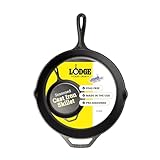
Lodge 12 Inch Cast Iron Pre-Seasoned Skillet
Lodge Pre-Seasoned Cast Iron Skillet,...
- Quality Cast Iron Frying Pan: The Lodge Seasoned...
- Naturally Seasoned for Non-Stick Finish: Each...
Representing the pinnacle of traditional American cookware design, this generously proportioned cast iron skillet delivers professional-grade performance for serious home cooks and culinary enthusiasts. The 12-inch cooking diameter provides expansive surface area for searing multiple steaks simultaneously or handling large cuts like whole chickens and roasts. This size eliminates the frustration of working in batches, allowing you to prepare complete meals more efficiently while maintaining consistent cooking temperatures across all proteins.
Distinctive features include dual pouring spouts positioned on opposite sides of the pan, facilitating easy removal of rendered fats and cooking liquids without creating messes. The assist handle positioned opposite the main grip provides essential leverage when lifting this substantial pan, which weighs approximately eight pounds when empty. These ergonomic considerations demonstrate thoughtful design that prioritizes user safety and convenience during demanding cooking operations.
The pre-seasoned surface undergoes factory treatment with natural vegetable oil, creating an initial non-stick foundation that develops into a superior cooking surface through regular use. This preparation saves considerable time compared to unseasoned cast iron that requires multiple seasoning cycles before becoming functional. The pan’s exceptional heat retention stems from its solid iron construction, which absorbs and maintains thermal energy far better than thinner materials like aluminum or stainless steel.
This skillet transitions seamlessly between cooking methods and heat sources. Start your steak on a screaming-hot stovetop burner to develop the initial crust, then transfer directly to a preheated oven for finishing to your preferred doneness level. The pan performs equally well over campfire coals or on outdoor grills, demonstrating versatility that extends beyond traditional kitchen environments. Induction compatibility adds modern convenience to this time-tested design.
Why We Like It
The generous 12-inch diameter accommodates family-sized portions and eliminates the need for cooking in multiple batches. Dual pouring spouts enable clean removal of excess grease and pan drippings without making messes. Assist handle provides necessary leverage and control when handling this heavy pan during transfers. Factory pre-seasoning delivers immediate usability without requiring extensive preparation before first use. Extreme temperature tolerance allows cooking methods from high-heat searing to slow oven braising. Lifetime durability backed by over a century of proven manufacturing excellence makes this a true investment piece.
What Can Be Improved
The substantial eight-pound weight creates handling challenges during extended cooking sessions or for users with limited strength. Larger footprint requires significant stovetop space and may overhang smaller burners, affecting heat distribution. Extended preheating period necessary to achieve uniform cooking temperature across the entire surface area. Exposed metal handles require constant use of protective mitts or pot holders throughout cooking process.
“I upgraded from a 10-inch to this 12-inch Lodge and the extra space makes such a huge difference. I can sear three thick steaks at once without them touching, which means they actually brown instead of steam. The dual handles are a lifesaver when this thing is loaded with food. Yes, it’s heavy, but that weight is what gives you that incredible heat retention for perfect crusts.”
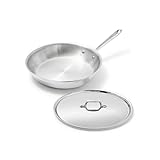
All-Clad D3 3-Ply Stainless Steel Fry Pan with Lid 10 Inch
All-Clad D3 Stainless Steel 10 inch Frying...
- Experience professional-level cooking with this 10...
- Made in the USA with global components since 1971....
Professional kitchens worldwide rely on this American-made stainless steel frying pan for its exceptional performance and unmatched durability. The D3 tri-ply construction features a thick aluminum core sandwiched between layers of high-quality 18/10 stainless steel, creating cookware that combines rapid heating with even temperature distribution. This engineering eliminates hot spots that cause uneven browning, ensuring every portion of your steak develops that coveted caramelized crust simultaneously.
The flat cooking surface and gently flared sides facilitate easy flipping and tossing, making this pan particularly suited for techniques requiring frequent food manipulation. Unlike cast iron, the stainless steel interior provides visual feedback during cooking, allowing you to monitor fond development and adjust heat levels accordingly. This transparency proves invaluable when deglazing to create pan sauces, as you can clearly see when fond reaches optimal color without burning.
Stainless steel offers practical advantages beyond cooking performance. The material resists corrosion, never rusts, and maintains its polished appearance through years of hard use. Acidic ingredients like wine or tomatoes pose no problems, unlike reactive materials that can impart metallic flavors. The included lid extends functionality beyond simple searing, enabling techniques like pan-roasting or creating steam for finishing delicate proteins.
Heat responsiveness distinguishes this pan from heavier cast iron alternatives. The aluminum core conducts thermal energy rapidly, allowing precise temperature control through burner adjustments. When you reduce heat, the pan responds almost immediately rather than remaining dangerously hot for extended periods. This control proves essential when cooking proteins that require careful temperature management to avoid overcooking. Oven and broiler safety up to 600 degrees enables finishing techniques that start on the stovetop and complete under intense overhead heat.
Why We Like It
The tri-ply construction delivers restaurant-quality heat distribution that eliminates frustrating hot spots during cooking. Stainless steel interior provides visual clarity for monitoring browning progress and developing pan sauces. Non-reactive surface allows safe use of acidic ingredients without metallic flavor contamination. Included stainless steel lid adds versatility for pan-roasting and moisture-controlled cooking techniques. Dishwasher-safe construction simplifies cleanup compared to hand-wash-only cast iron alternatives. Lifetime warranty backed by American manufacturing ensures long-term value and quality assurance.
What Can Be Improved
The initial purchase price sits significantly higher than cast iron options with similar cooking performance. Food tendency to stick requires adequate preheating and proper fat application to achieve good release. Stainless steel surface develops brown discoloration over time that requires special cleaners to remove. Lighter weight compared to cast iron means less heat retention when adding cold proteins to the pan.
“As someone who cooks professionally, I can confidently say this All-Clad is worth every penny. The heat distribution is absolutely perfect – no more dark spots on one side of my steaks. I love that I can see exactly what’s happening in the pan, which makes timing my sears much easier. The cleanup is surprisingly simple for stainless steel, and the pan still looks great after two years of daily use.”
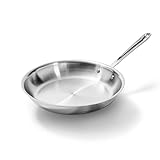
All-Clad D3 3-Ply Stainless Steel Fry Pan 12 Inch
All-Clad D3 Stainless Steel 12 inch Frying...
- A kitchen staple featuring a flat base and flared,...
- Classic tri-ply construction, made with a...
When cooking for crowds or preparing larger cuts of meat demands extra space, this 12-inch professional frying pan delivers the surface area and performance serious cooks require. The increased diameter accommodates multiple portions simultaneously while maintaining the exceptional heat distribution that has made this product line the industry standard. Home chefs who regularly host dinner parties or prepare family meals will appreciate how this size eliminates the inefficiency of cooking in multiple batches.
The D3 tri-ply bonded construction extends from base to rim, ensuring consistent thermal performance across the entire cooking surface and up the sidewalls. This complete coverage prevents the temperature variations that occur with pans using disc-base construction. The responsive aluminum core transfers heat rapidly while the stainless steel layers provide durability and a non-reactive cooking surface suitable for all ingredients including acidic components.
Professional-grade materials resist warping even under the thermal stress of repeated heating and cooling cycles. The polished 18/10 stainless steel interior develops a natural patina over time while remaining easy to clean with proper technique. Double-riveted stainless steel handles stay cooler than cast iron during stovetop use, though protective mitts remain advisable when transferring from oven to countertop.
Versatility extends across all modern cooking surfaces including induction, gas, electric, and ceramic cooktops. The magnetic stainless steel exterior ensures compatibility with induction burners while maintaining the elegant appearance that makes this pan suitable for serving directly at the table. Oven and broiler safety to 600 degrees enables advanced techniques like starting a thick steak on the stovetop before finishing under intense broiler heat for edge-to-edge medium-rare perfection.
Why We Like It
The expansive 12-inch surface area handles large cuts and multiple portions without overcrowding that leads to steaming. Complete tri-ply construction from base to rim ensures consistent heating across entire cooking surface. Stainless steel construction requires no special seasoning maintenance and resists rust and corrosion indefinitely. Lighter weight compared to cast iron makes handling and maneuvering more comfortable during extended cooking sessions. Professional polished finish suits both cooking and elegant table presentation for impressive dinner service. Induction compatibility adds convenience for modern kitchen setups using electromagnetic cooking technology.
What Can Be Improved
The premium pricing reflects professional-grade construction but may exceed budget constraints for casual home cooks. Stainless steel surface requires proper preheating and adequate fat to prevent proteins from adhering during cooking. Larger diameter demands substantial stovetop space that may not accommodate smaller residential cooking surfaces. Temperature recovery after adding cold meat takes longer than cast iron due to less thermal mass.
“I invested in this 12-inch All-Clad after years of struggling with cheaper pans, and it completely transformed my cooking. The size is perfect for searing two thick ribeyes simultaneously, and the heat distribution is so even that both steaks come out identical. The pan is lighter than my old cast iron, making it easier to handle. I’ve had zero warping issues despite using it almost daily for six months.”
Merten & Storck Pre-Seasoned Carbon Steel 12 Inch Frying Pan Skillet
Merten & Storck Pre-Seasoned Carbon Steel...
- NEW YORK MAGAZINE’S The Strategist: Selected as...
- TRUSTED CARBON STEEL ESSENTIAL: Lightweight,...
Carbon steel represents the sweet spot between cast iron’s heat retention and stainless steel’s lighter weight, making it the preferred choice in professional restaurant kitchens worldwide. This 12-inch skillet delivers exceptional searing performance while weighing approximately half as much as comparable cast iron, reducing arm fatigue during extended cooking sessions. The material’s unique properties allow rapid heating combined with excellent temperature stability, creating ideal conditions for developing perfect crusts on proteins.
Pre-seasoned with natural oils during manufacturing, this pan arrives ready for immediate use without requiring the extensive preparation traditionally associated with raw carbon steel. The seasoning develops into a naturally non-stick patina through regular cooking, eventually matching or exceeding the release properties of manufactured non-stick coatings without introducing synthetic chemicals into your kitchen. This surface becomes increasingly effective with each use as polymerized fats fill microscopic pores in the metal.
The lightweight design facilitates one-handed operation and enables cooking techniques like tossing and flipping that prove difficult with heavier pans. Despite reduced weight, the pan maintains sufficient thermal mass to recover quickly when cold meat contacts the surface, preventing the temperature drops that lead to steaming rather than searing. Carbon steel’s excellent heat conductivity means the entire cooking surface reaches proper temperature faster than cast iron, saving time during meal preparation.
Durability rivals cast iron with proper care, as the solid metal construction resists warping and damage from metal utensils or high heat. The pan transitions seamlessly from stovetop to oven, handling temperatures well beyond what most cooking requires. Compatibility extends across all heat sources including induction, gas, electric, and even outdoor grills or campfires. This versatility makes carbon steel particularly attractive for cooks who value equipment that performs reliably across diverse cooking situations.
Why We Like It
The lightweight construction weighing half as much as cast iron reduces handling fatigue during cooking operations. Rapid heating characteristics bring the pan to proper searing temperature significantly faster than cast iron alternatives. Natural pre-seasoning provides immediate cooking readiness without extensive preparation before first use. Universal compatibility works with all cooking surfaces including induction and open flame for maximum versatility. Professional restaurant choice offers home cooks access to the same equipment used in commercial kitchens. Naturally developing non-stick surface improves continuously through regular use without synthetic chemical coatings.
What Can Be Improved
The carbon steel material requires consistent maintenance routines including drying and oiling to prevent rust formation. Acidic ingredients can temporarily damage seasoning and require re-seasoning to restore non-stick properties. Initial blue-black appearance may develop uneven coloring patterns during break-in period that some find unattractive. Less heat retention compared to cast iron means temperature can drop more noticeably when adding cold proteins.
“I switched from cast iron to this carbon steel pan and honestly can’t imagine going back. It heats up so much faster, which is huge on busy weeknights. The weight difference makes a massive impact – I can easily flip steaks with one hand now. The seasoning has developed beautifully over three months, and nothing sticks anymore. Just remember to dry it thoroughly after washing.”
Lodge 8 Inch Pre-Seasoned Carbon Steel Skillet
Lodge Pre-Seasoned Carbon Steel Skillet -...
- YOUR GO TO PAN: The Lodge Carbon Steel Skillet can...
- SEASONED COOKWARE: Seasoning is simply oil baked...
Compact dimensions make this 8-inch carbon steel skillet perfect for single servings, side dishes, or smaller cuts of meat that don’t require a full-sized pan. The reduced footprint conserves valuable stovetop space while delivering the same professional-grade performance characteristics that make carbon steel the material of choice in commercial kitchens. Home cooks living in apartments with limited kitchen space or those cooking primarily for one or two people will appreciate the practicality of this efficient size.
Lodge brings over a century of metalworking expertise to carbon steel production, applying the same quality standards that made their cast iron legendary. The 12-gauge construction provides optimal thickness for balancing heat retention with the lightweight handling that distinguishes carbon steel from cast iron. Dual handles positioned opposite each other facilitate safe lifting and precise control during cooking operations, a thoughtful design detail that enhances functionality beyond appearance alone.
Pre-seasoned during manufacturing with natural soybean oil, this pan requires only a quick wash before first use, eliminating the tedious seasoning process traditionally associated with raw carbon steel. The smooth interior surface surpasses the slightly rough texture of cast iron, making it particularly well-suited for delicate proteins like fish fillets or thin cuts that might catch on textured cooking surfaces. The seasoning improves with each cooking session, eventually developing a slick patina that rivals the best non-stick pans.
Maintenance requirements remain minimal despite carbon steel’s reputation for being finicky. After cooking, a rinse with warm soapy water and a nylon brush removes food residue without stripping seasoning. Thorough drying prevents rust formation, and a thin oil coating maintains the non-stick surface. The pan’s relative light weight compared to cast iron makes washing and handling more convenient, especially for users who find heavy cookware physically challenging.
Why We Like It
The compact 8-inch size proves ideal for single portions and conserves precious stovetop space in smaller kitchens. Lighter weight compared to cast iron makes handling and cleaning significantly easier for extended cooking sessions. Dual handle design provides secure grip and enhanced control during cooking and transfer operations. Pre-seasoned surface eliminates extensive preparation requirements and allows immediate cooking after unboxing. Smooth interior texture prevents delicate proteins from catching or tearing during cooking and serving. Professional-quality carbon steel construction offers restaurant-grade performance at accessible home-cook pricing.
What Can Be Improved
The smaller cooking surface limits capacity for larger cuts or multiple portions simultaneously. Carbon steel maintenance requires consistent drying and occasional oiling to prevent rust development. Less thermal mass compared to larger pans means more significant temperature fluctuations when adding cold ingredients. Initial seasoning may require enhancement through several cooking cycles for optimal non-stick performance.
“This little 8-inch Lodge carbon steel pan has become my go-to for quick weeknight dinners. Perfect size for a single steak or pork chop, and it heats up incredibly fast. I was worried about the carbon steel maintenance, but honestly, it’s easier than I expected – just wash, dry thoroughly, and rub with a bit of oil. The dual handles make it super easy to move around even when hot.”
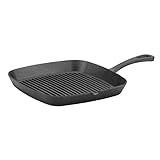
Cuisinart 9.25 Inch Cast Iron Pre-Seasoned Square Grill Pan
Cuisinart Cast Iron Grill Pan, 9.25", Black
- Precise heat distribution – cast iron...
- Ultimate versatility – use for frying, grilling,...
Square grill pans bridge the gap between traditional stovetop cookware and outdoor grilling equipment, bringing authentic grill marks and elevated presentation to indoor cooking. The distinctive raised ridges create appealing sear lines while allowing rendered fat to drain away from proteins, resulting in healthier preparations with less greasiness. This 9.25-inch square format maximizes usable cooking area within a compact footprint, accommodating steaks, chops, and vegetables efficiently.
Constructed from solid cast iron that has been pre-seasoned during manufacturing, this grill pan delivers the exceptional heat retention properties that make cast iron ideal for searing applications. The raised ridge pattern elevates food above accumulated juices and fat, promoting proper browning rather than braising. Depth between ridges creates those coveted grill marks that signal proper caramelization and add visual appeal to finished dishes, making even simple preparations appear restaurant-quality.
Versatility extends beyond just meat searing. Vegetables develop beautiful char marks and concentrated flavors when grilled in this pan, from bell peppers and zucchini to asparagus and corn. Sandwich enthusiasts will appreciate how the ridges press paninis and quesadillas while creating attractive grill marks. The square shape accommodates ingredients that might not fit efficiently in round pans, maximizing surface utilization for batch cooking.
The sturdy cast iron construction tolerates extreme temperatures across all cooking methods including stovetop, oven, broiler, and even outdoor grills. This flexibility enables creative cooking techniques like starting proteins on the stovetop before finishing under the broiler for extra char. Compatibility with induction cooktops adds modern convenience to this traditionally styled cookware. Proper maintenance follows standard cast iron protocols, with hand washing, thorough drying, and occasional oiling keeping the pan in optimal condition.
Why We Like It
The raised ridge pattern creates authentic grill marks and visual appeal typically only achievable with outdoor grilling equipment. Square shape maximizes usable cooking surface and accommodates irregularly shaped ingredients more efficiently than round pans. Pre-seasoned cast iron construction delivers immediate usability without requiring extensive preparation before first use. Fat-draining design promotes healthier cooking by separating rendered grease from proteins during cooking process. Multi-purpose functionality handles steaks, vegetables, sandwiches, and numerous other ingredients with equal effectiveness. Induction compatibility provides convenience for modern kitchen setups while maintaining traditional cast iron performance.
What Can Be Improved
The ridge pattern creates cleaning challenges as food particles become trapped in valleys between raised sections. Reduced contact surface area compared to flat pans may result in longer cooking times for thick cuts. Cast iron weight makes one-handed operation difficult during extended cooking sessions or pan manipulation. Initial seasoning between ridges may require multiple cooking cycles to achieve optimal non-stick performance.
“I bought this grill pan to make steaks during winter when outdoor grilling isn’t practical, and it absolutely delivers. The grill marks look amazing, and the meat tastes surprisingly close to real grilled flavor. Cleaning between the ridges takes some extra effort with a brush, but it’s worth it for the results. The cast iron gets screaming hot and holds that heat perfectly, giving you that proper sear you want.”
All-Clad D3 3-Ply Stainless Steel Fry Pan Set

All-Clad D3 Stainless Steel Fry Pan Set,...
- Complete cookware set includes 10 inch and 12 inch...
- Built for professional kitchens & cherished by...
Professional chefs and serious home cooks recognize the value of having multiple pan sizes readily available, and this two-piece set addresses that need comprehensively. Including both 10-inch and 12-inch frying pans, this combination covers the vast majority of cooking situations from intimate dinners for two to family gatherings. The D3 tri-ply construction delivers consistent performance across both sizes, ensuring familiar cooking characteristics regardless of which pan you select.
Each piece features the bonded aluminum core technology that made All-Clad the industry standard, providing rapid, even heating that eliminates frustrating hot spots. The responsive temperature control allows precise adjustments through burner manipulation, giving cooks the fine-tuned control necessary for perfect protein preparation. Stainless steel interior surfaces provide visual feedback during cooking, clearly showing fond development and browning progress that remain hidden in darker pans.
The 10-inch pan handles everyday cooking tasks efficiently, accommodating two medium steaks or several chicken breasts comfortably. When preparing larger quantities or oversized cuts, the 12-inch companion provides ample space without crowding. Both pans feature flared sides that facilitate easy flipping and tossing, plus double-riveted handles engineered for balanced control. The mirror-polished exterior maintains its attractive appearance through years of hard use, making these pans suitable for cooking and elegant table service.
Durability stems from American craftsmanship using materials built to withstand professional kitchen demands. The stainless steel construction resists warping, rust, and corrosion while remaining non-reactive with acidic ingredients. Both pans safely transition from stovetop to oven or broiler, handling temperatures up to 600 degrees without damage. Induction compatibility ensures these pans work with current and future cooking technologies, protecting your investment as kitchen equipment evolves.
Why We Like It
The dual-size combination provides comprehensive coverage for diverse cooking situations and portion requirements. Professional tri-ply construction delivers restaurant-quality heat distribution and precise temperature control. Stainless steel surfaces resist corrosion and discoloration while maintaining elegant appearance through extensive use. Lightweight design compared to cast iron reduces handling fatigue during extended cooking sessions. Visual cooking surface clarity aids timing decisions and pan sauce development monitoring. Lifetime warranty backed by American manufacturing provides long-term value assurance and quality guarantee.
What Can Be Improved
The premium pricing for this set represents significant investment compared to individual budget pan purchases. Stainless steel cooking surfaces require proper preheating and adequate fat application to minimize protein sticking. Less heat retention compared to cast iron results in more noticeable temperature drops when adding cold ingredients. Both pans require significant storage space that may challenge smaller kitchen configurations.
“Investing in this All-Clad set was one of the best kitchen decisions I’ve made. Having both sizes means I’m never stuck with a pan that’s too small or unnecessarily large. The heat distribution is remarkable – I finally understand why professional kitchens swear by All-Clad. My steaks cook evenly from edge to center, and the fond develops beautifully for pan sauces. They’re easier to clean than I expected for stainless steel.”
BK Pre-Seasoned Black Steel Carbon Steel Induction Compatible 10 Inch Frying Pan
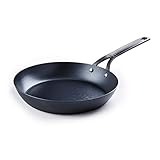
BK Pre-Seasoned Black Steel Carbon Steel...
- Winner of the 2019 Red Dot Award for design, this...
- Lightweight and easy to handle, this pan delivers...
Dutch engineering meets practical cooking innovation in this award-winning carbon steel pan that has earned recognition for both performance and design excellence. Winner of the prestigious Red Dot Award, this cookware represents thoughtful refinement of traditional carbon steel construction through modern manufacturing techniques. The proprietary Black Steel formulation creates material three times denser than aluminum while maintaining the lightweight handling characteristics that distinguish carbon steel from cast iron.
Pre-seasoning treatment differs from conventional approaches by applying a thin silicone wax coating rather than traditional beeswax or heavy grease. This innovation makes initial cleaning before first use significantly easier, requiring only a quick wash with soap and water rather than extensive scrubbing. The underlying seasoning layer develops naturally through cooking, creating an increasingly effective non-stick surface that improves with each use while remaining completely chemical-free.
Material engineering provides corrosion resistance and stain resistance superior to conventional carbon steel, addressing common concerns about maintenance requirements. The extra density creates enhanced heat retention while preserving rapid temperature response, offering the best characteristics of both cast iron and thinner materials. Riveted cast iron handles provide secure grip and professional appearance while remaining surprisingly manageable during cooking operations.
Temperature tolerance extends to 600 degrees, enabling techniques that transition from stovetop to oven or utilize broiler finishing. The pan performs excellently over open flames and on outdoor grills, demonstrating versatility that extends beyond traditional indoor cooking. Compatibility spans all modern cooktops including induction, gas, electric, and ceramic surfaces. The naturally developing patina creates improved non-stick properties over time, making delicate preparations like fish and eggs progressively easier.
Why We Like It
The award-winning design combines aesthetic elegance with practical functionality that enhances cooking experience. Superior material density provides enhanced heat retention while maintaining lightweight handling benefits. Pre-applied silicone wax coating simplifies initial preparation compared to traditional beeswax treatments. Corrosion-resistant formulation reduces maintenance concerns and extends functional lifespan significantly. Natural patina development creates chemical-free non-stick surface that improves continuously through regular use. Extreme temperature tolerance enables diverse cooking techniques from high-heat searing to oven finishing.
What Can Be Improved
The premium pricing reflects advanced engineering but exceeds budget ranges for entry-level carbon steel options. Requires consistent maintenance routine including thorough drying and occasional oiling despite improved corrosion resistance. Initial blue-black coloring may develop uneven tones during seasoning development that some users find unappealing. Less thermal mass compared to heavier cast iron means more noticeable temperature fluctuations when adding cold proteins.
*”The BK Black Steel pan is honestly impressive. I was skeptical about the premium price, but the design really does make a difference. It heats incredibly evenly, and the
seasoning is developing beautifully without much effort. The weight is perfect – substantial enough for good heat retention but light enough for comfortable one-handed use. After three weeks of daily use, nothing sticks and cleanup is incredibly easy.”*
Misen 10 Inch Carbon Steel Frying Pan

Misen 10 Inch Pre-Seasoned Carbon Steel Fry...
- Premium Pre-Seasoned Carbon Steel (Not Carbon...
- Lightweight and Versatile Design: Easier to handle...
American craftsmanship meets professional restaurant specifications in this carbon steel pan engineered specifically for serious home cooking. Founded by culinary professionals frustrated with overpriced cookware and under-performing budget options, this company delivers commercial kitchen quality at accessible pricing. The 10-inch format provides optimal versatility, handling individual portions through small family meals without requiring excessive storage space or creating unwieldy weight.
Construction utilizes French-grade carbon steel, the same material specified by Michelin-starred restaurants worldwide for its superior cooking characteristics. The carefully calculated thickness balances heat retention with responsive temperature control, creating ideal conditions for developing perfect protein crusts. Rounded bottom corners facilitate smooth stirring and deglazing motions while preventing food accumulation in sharp angles where ingredients might burn.
Pre-seasoned surfaces eliminate the traditional break-in period associated with raw carbon steel, allowing immediate cooking straight from the package. The factory seasoning process applies multiple layers of oil baked at high temperatures, creating initial non-stick properties that improve dramatically through regular use. Dual pour spouts positioned on opposite edges enable clean removal of excess grease and cooking liquids without creating stovetop messes.
Material properties deliver restaurant-level performance while remaining practical for home use. The pan transitions seamlessly from stovetop to oven, handling temperatures exceeding 1200 degrees without damage or warping. Compatibility extends across induction, gas, electric, and ceramic cooktops plus outdoor grills and campfires. The sloped sides facilitate easy ingredient addition and removal while providing sufficient depth to contain splattering during high-heat searing operations.
Why We Like It
The professional French-grade carbon steel delivers commercial kitchen performance at home-cook accessible pricing. Multiple layers of factory pre-seasoning create immediate usability without tedious preparation requirements. Dual pour spouts enable mess-free removal of excess grease and pan drippings during cooking. Rounded interior corners prevent food accumulation and facilitate smooth stirring and deglazing motions. Extreme temperature tolerance to 1200 degrees enables diverse cooking techniques across multiple heat sources. Sloped sides combine practical depth for splatter containment with easy access for turning and removing foods.
What Can Be Improved
Carbon steel material requires consistent maintenance including thorough drying and occasional oiling to prevent rust. Acidic ingredients may temporarily affect seasoning requiring restoration through subsequent cooking cycles. Initial factory seasoning may need reinforcement through several uses before achieving optimal non-stick performance. Lighter weight compared to cast iron results in more noticeable temperature drops when adding cold proteins.
“I’ve been using the Misen carbon steel pan for about two months now, and it’s become my absolute favorite. The balance is perfect – it feels substantial but isn’t exhausting to handle like my old cast iron. The pre-seasoning was better than I expected; things released well right from the start. I get consistent, even browning on my steaks, and the pan heats up so much faster than cast iron. Totally worth the investment.”
Lodge Pre-Seasoned Cast Iron Square Grill Pan
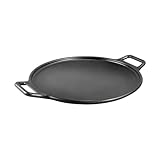
Lodge BOLD Pre-Seasoned Cast Iron Pizza Pan...
- Heavy Duty Construction: The Lodge Seasoned Cast...
- Time-Tested Even Heat Distribution: This durable...
Square grill pans solve the challenge of achieving authentic grilled flavor and appearance when outdoor cooking isn’t feasible. This 10.5-inch square format maximizes cooking capacity within a manageable footprint, accommodating multiple portions or larger cuts efficiently. The raised ridge pattern creates space for fat drainage while forming those coveted grill marks that elevate presentation from ordinary to restaurant-quality with minimal effort.
Solid cast iron construction provides the exceptional heat retention necessary for proper searing, maintaining cooking temperature even when cold proteins contact the surface. The raised ribs concentrate heat at contact points, creating intense localized searing that produces pronounced grill marks and complex flavors. Valleys between ridges collect rendered fats and juices, separating them from food to promote browning rather than braising.
Pre-seasoned during manufacturing with natural vegetable oil, this grill pan requires only a quick rinse before first use. The seasoning develops into a naturally non-stick surface through repeated cooking, eventually surpassing synthetic coatings in both performance and safety. Cast iron’s legendary durability ensures this pan will likely outlast most other kitchen equipment, often serving multiple generations with proper care.
Versatility extends far beyond simple steak preparation. Vegetables develop beautiful char and concentrated sweetness when grilled in this pan. Seafood like salmon fillets and shrimp gain attractive presentation and complex flavors. Breakfast favorites including bacon and sausages cook evenly while excess grease drains away. The pan transitions easily from stovetop to oven, enabling cooking techniques that require both methods. Compatibility with all heat sources including induction adds modern convenience to this traditional design.
Why We Like It
The generous 10.5-inch square format provides ample cooking space for multiple portions simultaneously. Raised ridge pattern creates authentic grill marks and allows fat drainage for healthier cooking results. Pre-seasoned cast iron construction eliminates extensive preparation and provides immediate cooking readiness. Extreme durability ensures decades of reliable service with minimal maintenance requirements. Multi-purpose functionality handles diverse ingredients from steaks to vegetables with equal effectiveness. Universal heat source compatibility includes induction, gas, electric, oven, and outdoor grills.
What Can Be Improved
The ridge pattern creates cleaning challenges requiring brushes to remove trapped food particles. Reduced surface contact area compared to flat pans may extend cooking times for thicker cuts. Substantial cast iron weight makes one-handed maneuvering difficult during cooking operations. Initial seasoning in ridge valleys may require multiple cooking cycles for optimal development.
“This square grill pan has completely solved my problem of wanting grilled steaks year-round. The grill marks come out perfect every time, and the flavor is surprisingly close to outdoor grilling. I’ve learned that preheating it properly is crucial – give it at least five minutes on medium-high heat. The ridges do make cleaning take a bit longer, but a stiff brush handles it easily. Solid, heavy-duty pan that should last forever.”
Comparison Table of Best Pan for Searing Meat
| Feature | Lodge 10.25″ Cast Iron | Merten & Storck 12″ Carbon Steel | All-Clad D3 10″ Stainless | Lodge 8″ Carbon Steel |
|---|---|---|---|---|
| Material | Pre-seasoned cast iron | Pre-seasoned carbon steel | Tri-ply stainless steel | Pre-seasoned carbon steel |
| Weight | Heavy (5 lbs) | Medium-light (3 lbs) | Medium (2.5 lbs) | Light (1.5 lbs) |
| Heat Retention | Excellent | Very Good | Good | Good |
| Maintenance | Hand wash, oil | Hand wash, oil | Dishwasher safe | Hand wash, oil |
| Oven Safe | Unlimited | 600°F+ | 600°F | 600°F |
| Best For | Traditional searing | Professional performance | Quick cleanup | Single portions |
| Price Range | Budget-friendly | Mid-range | Premium | Budget-friendly |
Buying Guide for Best Pan for Searing Meat
Material Selection Impacts Performance Significantly
The material you choose fundamentally determines how your pan performs during high-heat searing operations. Cast iron offers unmatched heat retention, maintaining consistent temperature even when cold meat hits the surface, which prevents temperature drops that cause steaming rather than proper browning. Carbon steel provides similar performance while weighing approximately half as much, making it easier to handle during extended cooking sessions. Stainless steel heats rapidly and responds quickly to temperature adjustments, offering precise control that some cooks prefer despite somewhat less heat retention.
Weight Considerations Affect Daily Usability
Heavier pans retain heat better but create handling challenges during cooking and cleaning operations. Cast iron skillets typically weigh between five and eight pounds depending on size, which can strain wrists and arms during extended use. Carbon steel offers a middle ground, providing substantial thermal mass while remaining manageable for one-handed operations. Lighter stainless steel pans facilitate easy maneuvering but may experience more significant temperature fluctuations when adding cold ingredients.
Size Selection Depends on Cooking Habits
Pan diameter should match your typical portion requirements and stovetop capacity. Ten-inch skillets accommodate two medium steaks or several chicken pieces comfortably, making them ideal for couples or small families. Twelve-inch formats handle family-sized portions or larger cuts without crowding, preventing the temperature drops and steaming that occur in overcrowded pans. Smaller eight-inch pans suit individual portions and conserve valuable stovetop space in compact kitchens.
Heat Distribution Quality Eliminates Hot Spots
Even heat distribution across the cooking surface ensures consistent browning rather than burned spots alternating with undercooked areas. Quality materials and construction methods prevent hot spots that create uneven results. Tri-ply stainless steel with aluminum cores excels at distributing heat uniformly, while well-made cast iron achieves similar results through substantial thermal mass. Thinner materials or poorly constructed pans often develop hot spots directly over burners.
Surface Seasoning Affects Food Release
Pre-seasoned pans arrive ready for immediate cooking, saving time and eliminating tedious preparation. Factory-applied seasoning layers create initial non-stick properties that improve through regular use as additional polymerized fat accumulates. Unseasoned options require multiple seasoning cycles before becoming functional, though some experienced cooks prefer building seasoning from scratch. Stainless steel requires no seasoning but demands proper preheating and adequate fat for good food release.
Handle Design Influences Safety and Control
Sturdy handles that remain securely attached through temperature cycling and heavy use prevent dangerous accidents. Longer handles provide leverage and distance from heat, improving control and reducing burn risk. Helper handles positioned opposite the main grip make lifting heavy pans safer, especially when filled with food. Handle material affects heat transmission, with stainless steel staying cooler than cast iron during stovetop use.
Maintenance Requirements Vary by Material
Cast iron and carbon steel require hand washing, thorough drying, and occasional oiling to prevent rust formation. These materials develop better non-stick properties over time but need consistent care. Stainless steel offers dishwasher compatibility and resists corrosion without special treatment, simplifying cleanup despite requiring more scrubbing to remove stuck food. Consider your willingness to perform regular maintenance when selecting materials.
Temperature Tolerance Enables Cooking Versatility
Oven-safe construction allows techniques that start on the stovetop and finish in the oven, perfect for thick steaks requiring gentle interior cooking after initial searing. Cast iron tolerates unlimited oven temperatures, while stainless steel and carbon steel typically handle 600 degrees or higher. Broiler compatibility enables finishing under intense overhead heat for extra caramelization. Outdoor grill use adds summer cooking options for those who enjoy campfire meals.
Cooktop Compatibility Ensures Functional Investment
Verify your pan works with your cooking surface before purchasing. Induction cooktops require magnetic materials like cast iron, carbon steel, or certain stainless steel formulations. Gas burners accommodate all materials. Ceramic and electric cooktops work with flat-bottomed pans of any magnetic or non-magnetic material. Future kitchen upgrades may introduce different cooktop types, making universal compatibility valuable.
Budget Allocation Reflects Long-Term Value
Quality pans represent investments that should provide decades of reliable service with proper care. Budget-friendly cast iron from established manufacturers offers excellent performance at accessible prices. Mid-range carbon steel balances performance with cost considerations. Premium stainless steel commands higher prices but provides lifetime durability backed by comprehensive warranties. Consider cost per use over years rather than just initial expense.
Frequently Asked Questions
What makes cast iron the best pan for searing meat compared to other materials?
Cast iron excels at searing meat primarily due to its exceptional heat retention capabilities that stem from substantial thermal mass. When you preheat a cast iron pan properly, the entire metal structure absorbs and stores tremendous thermal energy. This stored heat remains stable even when cold meat contacts the surface, preventing the dramatic temperature drops that plague lighter materials. Maintaining consistent high temperature proves essential for triggering the Maillard reaction, the chemical process responsible for creating that flavorful brown crust on seared proteins.
The material’s density allows it to act like a thermal battery, releasing stored heat gradually and evenly across the cooking surface. This characteristic eliminates hot spots that cause uneven browning, ensuring every portion of your steak develops that coveted caramelized exterior simultaneously. Additionally, cast iron’s rough texture, especially in pre-seasoned skillets, creates microscopic contact points that promote excellent crust development while the seasoned surface provides natural non-stick properties that improve with each use through polymerized fat layers.
How do carbon steel pans compare to cast iron for searing steaks?
Carbon steel pans deliver searing performance remarkably similar to cast iron while offering several practical advantages that appeal to many home cooks and professional chefs. The primary difference lies in weight, with carbon steel typically weighing approximately half as much as comparable cast iron pieces. This reduced weight makes one-handed operation significantly easier during techniques requiring frequent pan manipulation like flipping, tossing, or transferring from stovetop to oven. Extended cooking sessions become less physically demanding when using lighter materials.
Heat response characteristics differ noticeably between these materials. Carbon steel heats faster than cast iron due to thinner construction and excellent thermal conductivity, bringing the pan to proper searing temperature in less time. However, the reduced thermal mass means carbon steel experiences more significant temperature drops when cold meat hits the surface compared to cast iron’s rock-solid heat retention. The trade-off becomes acceptable for most applications since carbon steel still maintains sufficient temperature for excellent browning. Additionally, carbon steel’s smoother surface texture compared to cast iron’s slightly rough finish makes it particularly well-suited for delicate proteins that might catch or tear on textured cooking surfaces.
Why do chefs prefer stainless steel pans over cast iron in professional kitchens?
Professional kitchens often favor stainless steel pans despite cast iron’s superior heat retention because commercial cooking environments prioritize speed, versatility, and efficiency over any single performance characteristic. Stainless steel pans heat rapidly and respond immediately to burner adjustments, allowing chefs to make quick temperature changes during service when timing proves critical. This responsive temperature control enables precise cooking that proves difficult with cast iron’s prolonged heat retention, which can lead to overcooking if not carefully monitored during busy service periods.
The visual transparency of stainless steel interiors provides crucial feedback during cooking that dark cast iron surfaces obscure. Chefs can easily monitor fond development, observe browning progress, and judge exactly when proteins reach optimal searing without relying solely on timing or experience. This visual information proves invaluable when deglazing to create pan sauces, as you can clearly see when fond reaches perfect color without burning. Additionally, stainless steel’s non-reactive properties allow safe use with acidic ingredients like wine, vinegar, or tomatoes that can damage cast iron seasoning and impart metallic flavors. The material’s durability, dishwasher compatibility, and resistance to warping or damage from rough handling make it ideal for demanding commercial environments where cookware endures constant hard use.
How long should I preheat my pan before searing meat?
Proper preheating represents one of the most critical yet frequently overlooked aspects of successful meat searing, with required time varying significantly based on material composition and thickness. Cast iron pans demand the longest preheating period, typically requiring five to seven minutes over medium-high heat to achieve uniform temperature across the entire cooking surface. The substantial thermal mass that makes cast iron excellent for searing also means heat travels slowly through the material, creating temperature gradients between the bottom and top surfaces if rushed. Inadequate preheating creates hot spots directly over the burner while outer areas remain cooler, causing uneven browning.
Carbon steel pans heat more quickly due to thinner construction and superior thermal conductivity, usually reaching proper searing temperature within three to four minutes over medium-high heat. Stainless steel responds fastest, often ready in just two to three minutes depending on construction quality and burner output. You can test readiness using the water droplet method by flicking a few drops onto the surface. Properly preheated pans cause water to immediately form into balls that dance across the surface before evaporating, a phenomenon called the Leidenfrost effect. If water simply sizzles and evaporates quickly without forming beads, continue preheating another minute before testing again. This simple test provides reliable feedback regardless of pan material or burner type.
Can nonstick pans be used for searing meat effectively?
Traditional nonstick pans coated with polytetrafluoroethylene commonly known by the brand name Teflon prove unsuitable for proper meat searing due to significant temperature limitations that prevent achieving the intense heat necessary for Maillard reaction. These coatings begin degrading at temperatures around 400 to 500 degrees Fahrenheit, releasing potentially harmful fumes while losing their non-stick properties permanently. Effective searing requires surface temperatures exceeding 400 degrees to trigger the complex chemical reactions that create flavorful brown crusts, placing these operations well outside safe operating parameters for conventional nonstick cookware.
The coating’s smooth surface, while excellent for delicate foods like eggs or fish, actually works against proper searing by providing too little friction and texture for optimal crust development. Additionally, nonstick surfaces prevent fond formation, those flavorful browned bits that stick to pan bottoms and create the foundation for exceptional pan sauces. Without fond development, you sacrifice significant flavor complexity that elevates simple seared proteins into memorable dishes. Modern ceramic nonstick alternatives tolerate higher temperatures than traditional PTFE coatings, but still cannot match the extreme heat capacity and retention of cast iron, carbon steel, or stainless steel options specifically engineered for high-temperature cooking applications.
What temperature should the pan reach before adding meat?
Achieving proper pan temperature before adding meat proves absolutely critical for successful searing, with optimal surface temperatures ranging between 400 and 450 degrees Fahrenheit depending on protein thickness and desired crust development. At these temperatures, the Maillard reaction proceeds rapidly, creating complex flavors and appealing brown coloration within minutes rather than the extended time periods required at lower temperatures. The intense heat immediately coagulates surface proteins, preventing moisture from seeping out and causing the steaming effect that produces gray, flavorless exteriors instead of caramelized crusts.
Most home cooks lack infrared thermometers for measuring exact surface temperatures, making visual and auditory cues essential for determining readiness. The water droplet test mentioned previously provides reliable feedback across all pan materials. Additionally, you can test by adding a tiny amount of cooking oil to the preheated surface. Oil should shimmer and flow freely like water when the pan reaches proper temperature, and a small wisp of smoke should appear almost immediately. If oil smokes heavily within seconds, reduce heat slightly to prevent burning. When you add meat to a properly heated surface, you should hear an immediate, loud sizzle. Quiet or delayed sizzling indicates insufficient temperature, which will cause sticking and poor crust development. Remove the meat, continue preheating, and test again before proceeding.
How do I prevent meat from sticking to stainless steel pans?
Preventing sticking in stainless steel pans requires understanding the relationship between temperature, protein structure, and surface chemistry rather than relying on non-stick coatings. When properly executed, stainless steel releases seared meat cleanly without tearing or leaving substantial residue behind. The key lies in achieving adequate preheating before adding oil or meat. Insufficient heat causes proteins to form chemical bonds with the pan surface, creating stubborn adhesion that resists removal. Properly heated stainless steel creates a temporary vapor barrier between metal and protein that facilitates release.
Start by preheating your empty pan over medium-high heat for two to three minutes until it passes the water droplet test described previously. Add cooking oil only after the pan reaches temperature, allowing it to heat for 30 to 45 seconds until shimmering. The hot oil creates an additional barrier layer between metal and protein. Most importantly, resist the temptation to move or flip meat prematurely. When proteins make initial contact with hot metal, they form temporary bonds that release naturally as cooking progresses and crusts develop. Attempting to flip before this natural release occurs tears the developing crust and leaves material stuck to the pan. Generally, when meat is ready to flip, it releases easily with minimal resistance. If you encounter significant sticking when attempting to flip, allow another 30 to 60 seconds of cooking before trying again.
Should I oil the meat or the pan when searing?
The debate between oiling meat versus oiling the pan generates passionate opinions among cooks, though both methods can produce excellent results when executed properly. Oiling the pan generally proves more reliable for most home cooks because it provides better control over fat distribution and reduces smoking issues. When you add oil to a preheated pan, it quickly reaches cooking temperature and creates a continuous barrier layer across the entire cooking surface. This even distribution promotes consistent browning and prevents dry spots where proteins might stick. Additionally, you can easily adjust the oil quantity based on pan size and protein amount.
Oiling the meat directly works well for outdoor grilling where oil on grates causes flare-ups, but proves less ideal for stovetop searing. Coating meat surfaces with oil before they contact the pan can actually promote sticking initially as the oil heats more slowly than pan-applied fat. However, this method does offer advantages for very lean proteins that release minimal fat during cooking. The thin oil coating provides lubrication that facilitates eventual release while adding minimal calories compared to pooling oil in the pan bottom. Regardless of chosen method, use oils with high smoke points like refined avocado oil, grapeseed oil, or regular olive oil rather than extra virgin varieties. High smoke point fats withstand searing temperatures without burning and producing acrid flavors that contaminate your carefully prepared proteins.
How thick should my searing pan be for best results?
Pan thickness directly impacts heat retention, temperature stability, and overall searing performance, with optimal thickness varying by material composition and construction method. Cast iron pans typically measure between three and five millimeters thick, providing substantial thermal mass that stores tremendous heat energy. This thickness allows the pan to maintain stable temperatures even when multiple cold steaks contact the surface simultaneously. Thinner cast iron loses heat too quickly and creates hot spots, while excessively thick pieces become unnecessarily heavy without proportional performance benefits.
Carbon steel pans generally range from 2 to 3 millimeters thick, balancing heat retention with the lightweight handling that distinguishes this material from cast iron. This moderate thickness provides sufficient thermal mass for consistent searing while enabling faster heating and easier maneuvering during cooking. Professional-grade carbon steel maintains this specific thickness because commercial testing has determined it offers optimal performance for demanding restaurant environments. Stainless steel frying pans require multi-layer construction rather than simple thickness to achieve proper heat distribution. Quality tri-ply designs sandwich a thick aluminum or copper core between stainless steel layers, creating total thickness around 2.6 to 3 millimeters. The conductive core distributes heat evenly while exterior stainless provides durability and non-reactive cooking surfaces. Avoid thin single-layer stainless steel that creates hot spots and warps easily under thermal stress.
Final Thoughts
Selecting the best pan for searing meat transforms ordinary home cooking into an experience that rivals professional restaurant preparations. The choice between cast iron’s legendary heat retention, carbon steel’s lightweight versatility, or stainless steel’s responsive control depends entirely on your specific cooking style, physical capabilities, and maintenance preferences. Each material brings distinct advantages to your kitchen, from cast iron’s unmatched temperature stability that ensures perfect crusts every time to carbon steel’s professional-grade performance in a manageable package.
Understanding how different materials respond to heat and why proper preheating matters more than expensive equipment empowers you to make informed decisions. The pans featured in this comprehensive guide represent proven performers that deliver consistent results across various price points and cooking situations. Whether you’re drawn to traditional American-made cast iron that will serve multiple generations or modern engineered options utilizing advanced construction techniques, quality searing equipment remains one of the most valuable investments in your kitchen arsenal.
Remember that technique matters as much as equipment when pursuing perfectly seared proteins. Even the finest pan produces disappointing results without adequate preheating, proper oil application, and patience to let crusts develop naturally before flipping. Take time to learn your chosen pan’s characteristics including how quickly it heats, how long it retains temperature, and how different proteins respond to its specific surface texture. This knowledge develops through hands-on experience rather than simply reading specifications.
Maintenance practices significantly impact longevity and performance regardless of material selection. Cast iron and carbon steel demand consistent care including thorough drying and occasional oiling, but reward diligent users with continuously improving non-stick properties that surpass synthetic coatings. Stainless steel offers convenience through dishwasher compatibility and corrosion resistance while maintaining consistent performance characteristics throughout its lifetime. Choose maintenance requirements that align with your lifestyle rather than aspirational habits you’re unlikely to maintain consistently.
The best pan for searing meat ultimately becomes the one you reach for repeatedly because it suits your cooking patterns, feels comfortable in your hands, and produces results that satisfy your standards. Professional chefs often maintain collections including multiple materials because each excels in specific situations, but most home cooks achieve excellent results by mastering one well-chosen pan thoroughly. Focus on understanding your selected cookware’s strengths and limitations rather than constantly seeking the next upgrade, as skill development delivers far greater improvements than equipment changes ever could.