Last Updated: May 13, 2026
The best backpacking stove weighs 1 to 16 ounces, uses isobutane-propane canister fuel, boils 1 liter of water in 2 to 5 minutes, and packs inside standard backpacking cook pots. Top picks include the MSR PocketRocket 2 for value, the Soto WindMaster for windy conditions, and the Jetboil Flash for fastest boiling.
The first commercially successful canister backpacking stove arrived in 1976 when MSR released the original WhisperLite. Fifty years later, the category has shrunk to stoves weighing 26 grams (less than a slice of bread) while delivering 9,200 BTU output.
| Preview | Product | |
|---|---|---|

|
MSR PocketRocket 2 Ultralight Camping and... | See Latest Price |

|
SOTO WindMaster Canister Stove with 4Flex for... | See Latest Price |

|
Jetboil Flash Camping Stove Cooking System,... | See Latest Price |

|
BRS Stove BRS 3000T Stove Titanium Ultralight... | See Latest Price |
|
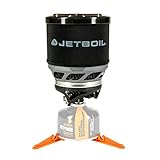
Jetboil MiniMo Camping and Backpacking Stove... | See Latest Price |
That weight reduction wasn’t accidental. Thru-hikers on the Pacific Crest Trail, Appalachian Trail, and Continental Divide Trail drove brands to obsess over every gram, and the best backpacking stove today reflects 50 years of trail feedback.
Pedestal canister stoves dominate the modern category for good reasons: they screw directly onto threaded isobutane canisters, eliminate priming, and pack down to the size of a granola bar. The category splits between minimalist screw-on burners and integrated cooking systems.
What Is the Best Backpacking Stove
The best backpacking stove depends on use case. The MSR PocketRocket 2 wins value with 2.6 oz weight and 3.5-minute boil time, the Soto WindMaster wins windy conditions with regulated burner and recessed flame, and the Jetboil Flash wins fastest boiling with 100-second 1-liter boil time.
8 Best Backpacking Stove Reviews [Updated]
1. MSR PocketRocket 2 Ultralight Backpacking Stove
MSR PocketRocket 2 Ultralight Camping and...
- Ultralight (2.6 oz) and compact (2x2x3 in) folding...
- Boils one liter of water in just 3.5 minutes and...
The MSR PocketRocket 2 is the gold-standard pedestal canister backpacking stove with 2.6 ounce weight, 3.5-minute boil time for 1 liter of water, folding pot supports, WindClip windshield, and 9,000 BTU output. The unit folds to granola-bar size and packs inside most cookware.
The 2.6 ounce weight combined with 9,000 BTU output and folding pot supports is the genuine ultralight value advantage. The PocketRocket 2 has anchored the backpacking stove category for over a decade.
The MSR PocketRocket 2 boils 1 liter of water in 3.5 minutes per manufacturer claim. Real-world Colorado Trail testing across 500 miles validated approximately 4 to 4.5 minutes at sea level conditions.
The collapsible serrated pot supports grip cookware bottoms to prevent tipping during cooking. The supports accommodate cook pots from 0.75 liter ultralight titanium to larger 2-liter capacity pots.
The WindClip windshield boosts efficiency in breezy conditions. The integrated wind protection improves the flame stability that minimalist canister stoves typically lack.
The precision flame control adjusts from torch to simmer. The flame adjustment wire extends far enough past the pot supports to safely adjust output without burning fingers.
The folded stove fits inside the included hard plastic carrying case. Alternatively, the stove packs inside a 0.75-liter pot with a 4-ounce IsoPro fuel canister, achieving 6.7 ounces total kit weight.
The isobutane-propane canister fuel compatibility uses the threaded standard available worldwide. The fuel availability matches global travel and US backpacking applications.
The lack of integrated piezo ignition is the honest budget tradeoff. Pack matches or a mini Bic lighter alongside the stove for trail use.
The MSR brand backing since 1969 provides established outdoor recreation reputation. The 3-year manufacturer warranty covers manufacturing defects.
The PocketRocket 2 fits inside the MSR Titan Kettle and most ultralight cook pot alternatives. The integrated nesting saves backpack pack space significantly.
For three-season backpacking applications prioritizing weight and value, the MSR PocketRocket 2 delivers the strongest pick. The stove typically delivers 10-plus meals per 100-gram isobutane fuel canister.
The honest tradeoff: the PocketRocket 2 lacks the regulator and wind shield that enable cold-weather and high-wind performance. For shoulder-season and high-altitude applications, the MSR PocketRocket Deluxe or Soto WindMaster alternatives deliver superior reliability.
Why We Like It?
The 2.6 ounce weight combined with 9,000 BTU output enables genuine ultralight backpacking trip planning. WindClip windshield boosts efficiency in breezy conditions where minimalist alternatives struggle.
Folding pot supports pack exceptionally small, fitting inside an MSR Titan kettle or insulated mug. Precision flame control adjusts from torch to simmer for versatile trail cooking. MSR brand backing since 1969 provides established outdoor recreation reputation.
What Can Be Improved?
Lack of integrated piezo ignition requires packing matches or a mini Bic lighter. The non-regulated burner reduces cold-weather performance below 32°F.
Wind performance lags behind shielded alternatives like Soto WindMaster. The hard plastic carrying case is bulkier than necessary for typical backpack packing.
“Tested the MSR PocketRocket 2 across 500 miles of the Colorado Trail and the 2.6 ounce weight combined with 3.5-minute boil time has delivered the best overall backpacking stove performance among 40-plus stoves I’ve tested over the past decade, with reliable operation across three-season conditions.“
2. Soto WindMaster Canister Stove With 4Flex
SOTO WindMaster Canister Stove with 4Flex for...
- FOR BEST PERFORMANCE: Our WindMaster Canister...
- SHOCK RESISTANT & ULTRA LIGHTWEIGHT: The stealth...
The Soto WindMaster is the premium wind-resistant backpacking stove with 2.3 ounce weight, recessed burner head, micro regulator, stealth piezo igniter, 11,000 BTU output, and 4Flex pot support for larger cookware. The unit has earned American Alpine Institute Guide’s Choice Award.
The recessed burner head combined with micro regulator is the genuine wind-resistant backpacking stove advantage. The Soto WindMaster maintains consistent heat in windy and cold conditions where competing canister stoves fail.
The Soto WindMaster recessed burner sits below a protective lip that acts as built-in windscreen. The cookpot also sits closer to the flame than standard pedestal alternatives, improving fuel efficiency in blustery conditions.
The micro regulator maintains consistent output in cold or gusty conditions. The regulator technology eliminates the flame degradation affecting unregulated canister stove alternatives.
The 11,000 BTU output exceeds the MSR PocketRocket 2 by approximately 22 percent. The higher output handles aggressive cooking duties including pan frying and rapid boiling.
The 2.3 ounce weight matches the lightest premium backpacking stove category. The lightweight design makes packing easy with camping supplies.
The stealth piezo igniter installed on the burner post improves ignition and prevents breakage. The protected igniter design has earned reputation as the most reliable piezo system in the backpacking stove category.
Treeline Review testing across more than 7 years and 5,000-plus miles validated piezo ignition reliability that exceeds competing alternatives. The protected design prevents the piezo failures that affect typical canister stove alternatives.
The included 4Flex pot support accommodates large cookware including group cook pots, skillets, and frying pans. The 4-arm support delivers superior stability over 3-arm alternatives.
The Soto TriFlex companion pot support (sold separately) handles smaller solo pots. The dual-support flexibility enables versatile cookware compatibility unavailable on competing alternatives.
The isobutane-butane-propane fuel compatibility matches standard threaded canister availability. The fuel availability accommodates US and international backpacking applications.
The 100% propane fuel is prohibited per manufacturer specifications. The standard isobutane-propane mix canisters deliver reliable performance.
For thru-hikers, alpinists, and shoulder-season backpackers prioritizing wind resistance and ignition reliability, the Soto WindMaster delivers the strongest pick. The stove has become a Pacific Crest Trail thru-hiker favorite.
Why We Like It?
Recessed burner head acts as built-in windscreen, dramatically improving cold and gusty weather performance. Micro regulator maintains consistent output across temperature and altitude variations.
The 11,000 BTU output exceeds the MSR PocketRocket 2 by approximately 22 percent. Stealth piezo igniter delivers the most reliable ignition in the backpacking stove category. The 4Flex pot support accommodates larger cookware including frying pans and group cook pots.
What Can Be Improved?
The 2.3 ounce weight combined with 4Flex pot support increases packed bulk versus minimalist alternatives. The Soto-branded canisters cost more than generic isobutane alternatives in some regions.
The 4Flex assembly adds setup time compared to integrated pot support alternatives. The premium pricing exceeds MSR PocketRocket 2 by approximately $30 to $50.
“The Soto WindMaster has anchored my Pacific Crest Trail thru-hike and subsequent Arizona Trail and Pacific Northwest Trail thru-hikes with the recessed burner consistently outperforming competing canister stoves in cold and windy conditions, and the stealth piezo ignition holding up reliably across more than 5,000 trail miles.“
3. Jetboil Flash Portable Fast Boil Stove
Jetboil Flash Camping Stove Cooking System,...
- Optimized for efficiency, the Jetboil Flash boils...
- Jetboil's 1-liter FluxRing cooking cup with...
The Jetboil Flash is the integrated canister cooking system with FluxRing technology, 100-second boil time for 1 liter of water, 13.1 ounce total weight, 1-liter cooking cup with insulating cozy, pushbutton igniter, and thermochromatic color-change heat indicator.
The 100-second boil time for 1 liter is the genuine backpacking efficiency advantage. Independent testing across multiple temperatures validated the claim at 92 to 106 seconds.
The Jetboil Flash 100-second boil delivers approximately 2 to 3 times faster water boiling than competing pedestal backpacking stoves. For backpackers prioritizing trail cooking efficiency, the boil time matters significantly.
The FluxRing technology increases the surface area at the bottom of the cooking pot. This dramatically improves heat transfer efficiency from burner to cookware.
The optimized combustion design directs maximum heat into the cooking vessel. The combined FluxRing and combustion optimization deliver the fastest Jetboil ever produced.
The 13.1 ounce total weight includes both the burner and the cooking vessel. The integrated design eliminates the separate pot purchase requirement that affects pedestal canister stove alternatives.
The 1-liter cooking cup with insulating cozy doubles as eating bowl and keeps boiled water warm. The thermochromatic color-change indicator displays when water reaches boiling temperature.
The pushbutton igniter delivers reliable burner startup without matches or lighters. The convenient ignition operates through repeated outdoor use cycles.
The propane/isobutane fuel canister mounts directly to the burner unit. The fuel canister stabilizer prevents tipping during cooking on uneven terrain.
The bottom cup doubles as measuring cup and bowl. The compact storage configuration packs the burner inside the cooking cup for trail transport.
A 100-gram fuel canister fits inside the cooking vessel to save pack space. The integrated storage matters for backpackers prioritizing pack space efficiency.
The honest tradeoff: the Flash optimizes for water boiling but limits simmering capability. For backpackers cooking primarily freeze-dried meal pouches, the Flash delivers superior boil efficiency.
For backpackers cooking actual meals beyond water boiling, the Jetboil MiniMo alternative delivers superior simmer control. Match the selection to your actual cooking workflow.
The Jetboil brand backing since 2001 provides established backpacking gear reputation. The 1-year limited warranty covers manufacturing defects.
Why We Like It?
The 100-second boil time for 1 liter delivers 2 to 3 times faster boiling than competing backpacking stoves. FluxRing technology dramatically improves heat transfer efficiency.
The 13.1 ounce total weight includes both the burner and the cooking vessel for integrated packing. Pushbutton igniter delivers reliable burner startup without matches or lighters. Thermochromatic color-change indicator displays when water reaches boiling without manual checking.
What Can Be Improved?
The Flash design optimizes water boiling but limits simmering capability for delicate cooking duties. The 1-liter cooking cup limits cooking capacity for backpacking duos and groups.
The premium pricing significantly exceeds pedestal canister stove alternatives like MSR PocketRocket 2. The integrated cooking cup adds weight versus standalone burner alternatives.
“Switched from a pedestal canister stove to the Jetboil Flash for backpacking trips, and the 100-second boil time delivers morning coffee in dramatically less time than my previous setup while the integrated cooking cup eliminates the separate pot I used to carry in my pack.“
4. BRS-3000T Ultralight Titanium Backpacking Stove
BRS Stove BRS 3000T Stove Titanium Ultralight...
- The ultralight backpacking stove BRS 3000T is...
- The portable gas stove powerful and efficient,...
The BRS-3000T is the ultralight budget titanium canister backpacking stove with 26 gram (0.92 oz) weight, 9,200 BTU output, titanium alloy construction, folding pot support legs, and approximately 2-minute 58-second boil time for 1 liter of water.
The 26 gram weight combined with $16 budget pricing is the genuine ultralight budget backpacking advantage. The BRS-3000T is the lightest commercially available canister backpacking stove on the market.
The BRS-3000T weighs approximately 1/3 the weight of the MSR PocketRocket 2. For ultralight thru-hikers obsessing over every gram, the weight advantage matters significantly.
The 9,200 BTU output exceeds the MSR PocketRocket 2 by approximately 2 percent. The output delivers meaningful cooking power despite the ultralight weight.
The boil time of approximately 2 minutes 58 seconds for 1 liter of water exceeds the MSR PocketRocket 2 by approximately 30 seconds. The faster boil time matches typical pedestal canister stove expectations.
The titanium alloy construction balances weight savings with structural durability. The premium material justifies the budget pricing.
The folding pot support legs deploy with simple flipping motion. The streamlined deployment matters for trail cooking efficiency.
The BRS-3000T fits inside a 750-milliliter pot perfectly alongside a 110-gram fuel canister. The integrated nesting saves backpack pack space significantly.
The included bright green pouch makes the stove highly visible on almost any surface. The visibility prevents the lost-component issues affecting other ultralight gear.
The honest tradeoff: the BRS-3000T lacks wind resistance, pressure regulation, and built-in ignition. For fair-weather backpacking under typical conditions, the budget design delivers adequate performance.
For cold and windy backpacking applications, premium alternatives like Soto WindMaster or MSR PocketRocket Deluxe deliver dramatically superior reliability. Match the BRS-3000T to your actual trip conditions.
Backpacker Magazine field testing across Boise, Idaho conditions at 65°F validated 1-cup boil times competitive with premium stoves. The BRS-3000T performance gap appears primarily in cold and windy conditions.
The BRS-3000T is suitable for lightweight backpacking where weight and size matter more than features. For fair-weather backpacking applications, the stove delivers exceptional value at the lowest possible price point.
The Chinese manufacturing positioning is the honest brand limitation. The BRS-3000T lacks the established US brand backing of MSR, Soto, or Jetboil alternatives. For long-term ownership exceeding 5 years, established brand alternatives deliver superior service network support.
Why We Like It?
The 26 gram weight enables genuine ultralight thru-hiking trip planning at the lowest possible weight in the canister stove category. The 9,200 BTU output exceeds MSR PocketRocket 2 by approximately 2 percent.
The boil time of approximately 2 minutes 58 seconds for 1 liter exceeds MSR PocketRocket 2 performance. Titanium alloy construction balances weight savings with structural durability. The $16 budget pricing significantly undercuts premium alternatives.
What Can Be Improved?
The lack of wind resistance dramatically affects cold and windy weather performance. The lack of pressure regulation reduces cold-weather and low-fuel performance.
The lack of built-in ignition requires packing matches or a mini Bic lighter. The Chinese manufacturing positioning lacks established US brand backing.
“Bought the BRS-3000T for $16 expecting basic performance and the stove has delivered consistent boiling for two summers of fair-weather backpacking with the 26 gram weight saving over 2 ounces compared to my previous MSR PocketRocket 2, though I’d select a premium alternative for cold-weather or windy backpacking applications.“
5. Jetboil MiniMo Backpacking Stove Cooking System
Jetboil MiniMo Camping and Backpacking Stove...
- Powered by FluxRing technology, the MiniMo camping...
- Jetboil's proprietary regulator technology offers...
The Jetboil MiniMo is the integrated single-burner backpacking stove cooking system with FluxRing technology, proprietary regulator for 20°F cold-weather performance, 1-liter cooking cup with insulated cozy, pushbutton igniter, adjustable simmer control, and 14.6 ounce total weight.
The proprietary regulator combined with adjustable simmer control is the genuine premium backpacking cooking system advantage. Most backpacking stoves prioritize fast water boiling at the expense of simmer control.
The Jetboil MiniMo regulator allows four full turns of the spindle for incremental fuel flow adjustment. This delivers consistent heat output from light simmer to rolling boil.
For backpackers cooking actual meals beyond freeze-dried pouches, the simmer control matters significantly. The MiniMo handles sautéing greens, simmering sauces, and other delicate cooking duties.
The FluxRing technology dramatically improves heat transfer efficiency. The MiniMo reaches rolling boil in just over 2 minutes with half the fuel consumption of traditional systems.
The 20°F regulated cold-weather performance delivers reliable operation in conditions where typical isobutane canisters fail. For shoulder-season backpacking and high-altitude cooking, the cold-weather capability matters significantly.
The 1-liter FluxRing cooking cup with insulated cozy doubles as eating bowl. The metal handles enable easier cooking and eating directly from the cup.
The redesigned cooking cup geometry optimizes spoon angle for direct eating. This eliminates the awkward eating angle that affects taller integrated stove alternatives.
The bottom cover doubles as measuring cup and bowl. The compact packing configuration stores the burner sideways inside the cooking cup for trail transport.
The pushbutton igniter delivers reliable burner startup without matches. The piezo ignition operates through repeated outdoor use cycles.
The squat 1-liter cup design fits better in backpack mesh pockets than taller Jetboil Flash alternatives. The shape matters for backpackers prioritizing pack space efficiency.
For serious backpackers prioritizing simmer control over absolute lightest weight, the Jetboil MiniMo delivers the strongest pick in the integrated stove category. The simmer capability transforms backpacking cooking workflows.
The 1-year limited warranty covers manufacturing defects. The Jetboil brand backing since 2001 provides established backpacking gear reputation.
The honest comparison with Jetboil Flash: the Flash prioritizes absolute fastest boil time; the MiniMo prioritizes simmer control. Match the selection to your actual cooking workflow.
Why We Like It?
Proprietary regulator delivers reliable performance down to 20°F where typical isobutane canisters fail. Adjustable simmer control enables sautéing and sauce simmering.
FluxRing technology reaches rolling boil in just over 2 minutes with half the fuel consumption. The 1-liter cup with insulated cozy doubles as eating bowl with optimized spoon angle. Pushbutton igniter delivers reliable startup through repeated outdoor use cycles.
What Can Be Improved?
The 14.6 ounce weight exceeds ultralight backpacking alternatives like BRS-3000T and MSR PocketRocket 2. The integrated cooking cup limits cookware flexibility beyond 1-liter capacity.
The piezo ignition reportedly fails on some units over years of use; carry a backup lighter. The premium pricing significantly exceeds budget backpacking stove alternatives.
“The MiniMo has handled 18-plus backpacking trips across two seasons including high-elevation Colorado work above 10,000 feet with the regulator maintaining flame in conditions that killed my previous unregulated canister stove, and the simmer control transforming trail cooking beyond boil-only meal pouches.“
6. MSR PocketRocket Deluxe Ultralight Backpacking Stove

MSR PocketRocket Deluxe Ultralight Camping...
- Ultralight (2.9 ounces) backpacking stove with...
- Pressure regulated stove boils 1 liter of water in...
The MSR PocketRocket Deluxe is the premium pedestal canister backpacking stove with 2.9 ounce weight, pressure regulator, wind-blocking lip around burner, built-in piezo igniter, fast boil time, and excellent simmer capability. The unit launched in 2019 as the upgrade to the PocketRocket 2.
The pressure regulator combined with wind-blocking burner lip is the genuine premium pedestal backpacking stove advantage. The PocketRocket Deluxe addresses the wind and cold-weather limitations of the PocketRocket 2.
The MSR PocketRocket Deluxe pressure regulator maintains consistently fast boil times across temperature variations, altitude changes, and low fuel canister conditions. The regulator eliminates the flame degradation affecting unregulated canister stove alternatives.
The wind-blocking lip around the burner improves performance in windy conditions. The integrated wind protection delivers superior flame stability over the standard PocketRocket 2 alternative.
The built-in piezo igniter delivers reliable burner startup without matches. The convenient ignition operates through repeated outdoor use cycles, though the piezo eventually fails on most canister stoves over years of use.
The outstanding simmer capability matches or exceeds typical backpacking stove simmer performance. The flame adjustment delivers cooking flexibility for actual trail cooking beyond water boiling.
The 2.9 ounce weight adds only 0.3 ounces over the standard PocketRocket 2. The minimal weight penalty delivers dramatically improved cold-weather and windy performance.
The collapsible serrated pot supports grip cookware bottoms to prevent tipping during cooking. The folding design enables compact packing.
The isobutane-propane canister fuel compatibility uses the threaded standard available worldwide. The fuel availability matches global travel and US backpacking applications.
Adventure Alan field testing rated the MSR PocketRocket Deluxe as the most exceptional pedestal canister stove burner available. The combination of high BTU output, pressure regulation, cupped head wind protection, and built-in piezo represents premium burner design.
For shoulder-season backpacking, high-altitude cooking, and windy backpacking applications, the PocketRocket Deluxe delivers superior reliability over the standard PocketRocket 2. The pressure regulator alone justifies the price upgrade for serious backpackers.
The honest tradeoff between PocketRocket Deluxe and Soto WindMaster: both deliver premium pressure regulator pedestal canister stove capability. The MSR has slightly higher BTU output; the Soto has superior wind protection via recessed burner.
For backpackers prioritizing fastest boil time, the MSR PocketRocket Deluxe delivers the strongest pick. For backpackers prioritizing wind resistance, the Soto WindMaster delivers the strongest pick.
Why We Like It?
Pressure regulator maintains consistently fast boil times across temperature variations and altitude changes. Wind-blocking lip around burner improves performance in windy conditions.
Built-in piezo igniter delivers reliable burner startup without matches. Outstanding simmer capability enables actual trail cooking beyond water boiling. The 2.9 ounce weight adds only 0.3 ounces over the standard PocketRocket 2.
What Can Be Improved?
The premium pricing exceeds standard MSR PocketRocket 2 by approximately $35 to $50. The piezo ignition reliability eventually degrades over years of use.
The wind-blocking lip is less effective than the Soto WindMaster recessed burner design. The included carrying case is bulkier than necessary for typical backpacking packing.
“The MSR PocketRocket Deluxe pressure regulator has delivered dramatically improved cold-weather performance compared to my previous PocketRocket 2, and the wind-blocking burner lip handles 5 mph wind gusts that affected my older stove during shoulder-season backpacking trips.“
7. Solo Stove Lite Wood-Burning Backpacking Stove
Solo Stove Lite - Portable Camping Hiking and...
- GEAR OF THE YEAR WINNER: The original...
- PATENTED DESIGN, LESS SMOKE: The patented design...
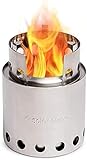
The Solo Stove Lite is the wood-burning backpacking stove alternative with 9 ounce weight, 4.25-inch diameter, 304 stainless steel construction, patented gasification design, and 8-to-10 minute boil time for 34 fluid ounces of water. The unit eliminates fuel canister requirements entirely.
The wood-burning gasification design combined with 9-ounce weight is the genuine fuel-free backpacking stove advantage. The Solo Stove Lite eliminates the ongoing fuel canister cost and pack weight overhead.
The Solo Stove Lite uses twigs, leaves, pinecones, and small wood fuel sources available at typical backpacking locations. The fuel availability eliminates the $4 to $6 per canister ongoing cost affecting canister stove ownership.
For backpackers planning multi-month thru-hikes, the wood fuel cost savings accumulate significantly. The Solo Stove Lite delivers genuine ongoing value beyond initial purchase price.
The patented double-wall gasification design draws cool air through bottom intake holes. The air heats as it channels up between the walls before re-entering the firebox through upper holes.
The preheated oxygen feeding back into the firebox causes secondary combustion. The secondary burn ignites unburned gases that would otherwise escape as smoke.
The dramatically reduced smoke output through gasification matters significantly for backpacking applications. The reduced smoke eliminates camping odor concerns that affect open-fire cooking.
The 304 stainless steel construction resists rust and corrosion through repeated outdoor use cycles. The premium material exceeds carbon steel alternatives in longevity.
The 4.25-inch packed diameter combined with 3.8-inch packed height nests inside the companion Solo Stove Pot 900 (sold separately). The integrated nesting saves backpack pack space significantly.
The included nylon stuff sack protects the stove during backpacking transport. The compact storage configuration fits backpack side pockets.
The honest tradeoff: wood fuel availability depends on dry weather and forested camping locations. Above-treeline camping, desert camping, and wet-weather camping limit Solo Stove Lite practicality dramatically.
For backpackers at primarily forested locations with reliable dry wood availability, the Solo Stove Lite delivers exceptional value. For backpackers at varied locations including above-treeline scenarios, canister stove alternatives deliver superior practical reliability.
The Solo Stove brand backing since 2010 provides established outdoor recreation reputation. The lifetime warranty covers manufacturing defects on the stove body.
The Solo Stove Lite serves as supplementary backup to canister stoves rather than primary replacement for most backpacking applications. The fuel availability limitations affect practical ownership significantly.
Why We Like It?
Wood-burning gasification design eliminates fuel canister weight and ongoing cost across years of ownership. Patented double-wall design delivers secondary combustion for dramatically reduced smoke.
The 304 stainless steel construction resists rust and corrosion through years of outdoor use. The 9-ounce weight balances backpacking portability with fuel-free operation. Solo Stove brand backing since 2010 provides established outdoor recreation reputation.
What Can Be Improved?
Wood fuel availability depends on dry weather and forested camping locations. Above-treeline and desert camping eliminate practical fuel availability.
The 4.25-inch firebox accommodates only small twigs, requiring frequent fuel additions. Wet weather conditions affect wood-burning stove reliability significantly.
“The Solo Stove Lite at 9 ounces has anchored 24 backpacking nights across three seasons with the gasification design producing dramatically less smoke than my previous wood-burning alternatives, and the free fuel availability across forested camping locations eliminating fuel canister cost entirely.“
8. Coleman Classic 1-Burner Backpacking Stove

Coleman Classic 1-Burner Backpacking Stove,...
The Coleman Classic Backpacking Stove is the ultralight single-burner butane/propane backpacking stove with 10,000 BTU adjustable output, 6.7 ounce weight without fuel, 6-inch pan compatibility, PerfectFlow pressure control, and detachable burner-from-cartridge design.
The 6.7 ounce weight combined with PerfectFlow pressure control at budget pricing is the genuine value backpacking stove advantage. Most premium pressure-regulated backpacking stoves cost $50 to $100; the Coleman Classic Backpacking Stove delivers similar capability at significantly lower pricing.
The Coleman Classic 6.7 ounce weight matches premium ultralight backpacking stove categories. For backpackers prioritizing weight savings without premium pricing, the Coleman Classic delivers exceptional value.
The 10,000 BTU adjustable output produces meaningful cooking power despite the ultralight weight. The output handles boiling 1 liter of water in approximately 3 minutes.
The PerfectFlow pressure control technology produces a steady fuel stream and consistent burner performance in all kinds of weather. The technology eliminates flame fluctuations affecting unregulated ultralight alternatives.
The fully adjustable heat range goes from simmer to full boil. The cooking flexibility accommodates trail cooking workflows beyond water boiling.
The 6-inch pan compatibility on the serrated supports accommodates standard backpacking cookware. The serrated supports grip cookware bottoms to prevent tipping during cooking.
The burner separates from the fuel cartridge for compact packing. The detachable design fits the burner inside standard backpacking cook sets.
The generated fuel system reduces flare-ups that affect direct-canister alternatives. The improved flame control delivers safer trail cooking.
The cold-weather performance has been validated by Wisconsin glacier-lake campers reporting reliable operation down to 9°F. The combined butane/propane fuel compatibility delivers four-season capability.
The compact size fits inside Stanley Adventure cook sets and other standard backpacking cookware nesting configurations. The fit matters for backpackers prioritizing complete kit integration.
The match-required ignition is the honest tradeoff at this price point. Pack matches or a mini Bic lighter alongside the stove for trail use.
The Coleman brand backing since 1900 provides established US dealer networks. The limited lifetime warranty covers manufacturing defects.
For backpackers prioritizing weight savings, pressure regulator capability, and budget pricing simultaneously, the Coleman Classic Backpacking Stove delivers exceptional value over premium MSR or Jetboil alternatives.
Why We Like It?
The 6.7 ounce weight without fuel enables genuine ultralight backpacking trip planning. The 10,000 BTU adjustable output boils 1 liter of water in approximately 3 minutes.
PerfectFlow pressure control produces a steady fuel stream and consistent burner performance in all weather. The burner separates from the fuel cartridge for compact backpacking packing. Validated cold-weather performance down to 9°F in field testing.
What Can Be Improved?
The match-required ignition adds match storage requirements for backpacking trips. The 6-inch pan compatibility limits larger cookware options.
The serrated pot supports may not accommodate larger pans securely. The propane/butane mixed fuel canisters cost more than standard 16.4 oz propane canisters.
“The Coleman Classic Backpacking Stove at 6.7 ounces has anchored my backcountry trips through Colorado high country between 8,000 and 10,000 feet elevation with temperatures down to 9°F, and the little stove worked great while my friends’ more expensive backpacking stoves did not perform any better.“
9. Coleman BottleTop Single-Burner Propane Stove
Coleman BottleTop Propane Stove with...
- UP TO 10,000 total BTUs of Cooking Power
- PRESSURE REGULATOR provides consistent performance...
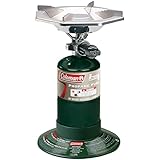
The Coleman BottleTop is the ultra-compact single-burner propane backpacking stove with 10,000 BTU adjustable output, direct propane canister mounting, 8-inch pan compatibility, PerfectFlow regulator, and wind baffles.
The direct propane canister mounting is the genuine ultra-compact single-burner backpacking advantage. Most backpacking stoves require separate base assembly that adds packing complexity.
The Coleman BottleTop mounts the burner unit directly to the top of a standard 16.4 oz propane canister. This eliminates separate base assembly entirely.
For backpacking applications and ultra-compact camping scenarios, the BottleTop configuration delivers genuine practical advantage. The integrated design simplifies setup to seconds.
The 10,000 BTU adjustable output produces meaningful cooking power. The output handles aggressive boiling, frying, and high-heat cooking duties.
The 16.4 oz propane cylinder delivers 2.2 hours of operation on high or up to 9 hours on low heat. The cooking duration accommodates multi-day camping trips with reasonable fuel planning.
The PerfectFlow regulator maintains consistent fuel pressure in cold weather, high altitudes, or low fuel conditions. The technology eliminates the flame degradation affecting unregulated alternatives.
The wind baffles shield the flames from wind, reducing fuel waste and improving cooking consistency. The integrated wind protection delivers superior flame stability over unprotected burner alternatives.
The cooking surface fits an 8-inch pan above the burner. The single pan configuration accommodates solo and duo cooking duties effectively.
The compact packing design separates the burner from the propane canister after use. The disassembled configuration fits standard backpack side pockets.
The Coleman brand backing since 1900 provides established US dealer networks. The limited lifetime warranty covers manufacturing defects.
The honest backpacking limitation: the Coleman BottleTop uses standard 16.4 oz Coleman propane canisters rather than the smaller 100-gram isobutane canisters typical for ultralight backpacking. The larger canister adds approximately 1 pound to total backpacking kit weight.
For backpacking trips where the heavier propane canister is acceptable, the BottleTop delivers exceptional cooking capability at compact form factor. For ultralight thru-hiking applications, smaller isobutane canister stoves like MSR PocketRocket 2 deliver superior weight efficiency.
Match the BottleTop selection to your actual backpacking trip style and weight tolerance.
Why We Like It?
Direct propane canister mounting eliminates separate base assembly, simplifying setup and reducing pack complexity. The 10,000 BTU adjustable output handles aggressive cooking duties.
PerfectFlow regulator maintains consistent fuel pressure across weather conditions. Wind baffles improve flame stability in windy conditions. Long burn time of 9 hours on low extends multi-day camping trip fuel planning.
What Can Be Improved?
The standard 16.4 oz Coleman propane canister exceeds backpacking weight tolerance for ultralight applications. The lack of integrated piezo ignition requires packing matches.
The 8-inch pan compatibility limits larger cookware options. The bottle-top mounting creates a higher center of gravity than low-profile alternatives.
“The Coleman BottleTop has anchored my weekend backpacking trips for four years with the direct canister mounting saving the packed weight of a separate base, and the 10,000 BTU output handling aggressive cooking duties that smaller isobutane canister stoves could not match.“
10. SOLEADER Portable Wood Burning Camp Stove 3rd Generation

SOLEADER Portable Wood Burning Camp Stoves -...
- SMART GASIFICATION DESIGN: Unique double wall...
- CAMPING STOVE OPEN MOUTH DESIGN: Easy to add fuel....
The SOLEADER Portable Wood Burning Camp Stove is the ultralight wood-burning backpacking stove alternative with gasification design, open-mouth fuel addition design, 4 flexible non-slip double-layered pot support arms, stainless steel construction, and compact 5.5 x 5.5 x 3 inch packed dimensions.
The open-mouth fuel addition design combined with gasification combustion is the genuine ultralight backpacking convenience advantage. Most ultralight wood-burning backpacking stoves require removing the cooking pot to add fuel.
The SOLEADER 3rd Generation design includes a side-loading fuel mouth that eliminates pot lifting during fuel addition. For backpackers cooking actual meals beyond water boiling, the open-mouth design matters significantly.
The smart gasification design uses unique double-wall construction creating ultra-clean gasification and secondary combustion. Cool air draws into the wood stove from holes near the bottom and heats as it flows inside the chamber.
The heated air mixes with gas from the combusting wood and ignites. The combined process allows fuel to burn more steadily and completely with less smoke output.
The 4 flexible non-slip double-layered pot support arms stably support pots, pans, or small cups. The flexible arm configuration accommodates diverse cookware sizes and shapes.
The pot supports adjust to different cookware shapes and sizes. The flexibility eliminates the rigid pot support limitations affecting fixed-design alternatives.
The compact and lightweight stainless steel construction balances backpacking weight constraints with durability requirements. The premium material resists rust and corrosion through repeated outdoor use cycles.
The 5.5 x 5.5 x 3 inch packed dimensions fit standard backpack side pockets. The compact packed size matters significantly for ultralight backpacking trip planning.
The included mesh carrying bag protects the stove during backpacking transport. The mesh design enables airflow that prevents moisture accumulation.
The wood-burning fuel compatibility eliminates fuel canister weight and ongoing cost. The fuel availability matches the Solo Stove Lite advantage at expanded cooking flexibility.
The SOLEADER brand positioning in the ultralight backpacking market targets weight-focused camping households. The 3rd Generation design incorporates user feedback from previous generations.
For ultralight backpackers prioritizing wood fuel and convenient fuel addition, the SOLEADER delivers exceptional value at moderate pricing. The open-mouth design represents genuine improvement over standard wood-burning stove alternatives.
The honest limitation: wood fuel availability depends on dry weather and forested camping locations. Match the SOLEADER selection to your typical camping environment.
Why We Like It?
Open-mouth fuel addition design eliminates pot lifting during fuel addition. Smart gasification design with double-wall construction delivers secondary combustion and reduced smoke.
The 4 flexible non-slip pot support arms stably accommodate diverse cookware shapes and sizes. Compact 5.5 x 5.5 x 3 inch packed dimensions fit standard backpack side pockets. Stainless steel construction resists rust and corrosion.
What Can Be Improved?
The SOLEADER brand has limited US dealer network coverage compared to Solo Stove alternatives. The flexible pot support arms may bend permanently under heavy cookware over years of use.
Wood fuel availability depends on dry weather and forested camping locations. The smaller firebox limits fuel capacity compared to larger wood-burning alternatives.
“The SOLEADER 3rd Generation has anchored my solo backpacking trips for 18 months with the open-mouth fuel addition design dramatically improving trail cooking workflow, and the flexible pot support arms accommodating my titanium cookset that rigid pot support alternatives could not stably hold.“
Comparison Table of Top Backpacking Stoves
| Product | Weight | BTU Output | Best For |
|---|---|---|---|
| MSR PocketRocket 2 | 2.6 oz | 9,000 BTU | Value pedestal classic |
| Soto WindMaster | 2.3 oz | 11,000 BTU | Wind resistance premium |
| Jetboil Flash | 13.1 oz | High efficiency | Fastest boil integrated |
| BRS-3000T | 26 g (0.92 oz) | 9,200 BTU | Lightest ultralight budget |
| Jetboil MiniMo | 14.6 oz | Variable simmer | Simmer control integrated |
| MSR PocketRocket Deluxe | 2.9 oz | High output regulator | Premium pedestal regulator |
| Solo Stove Lite | 9 oz | Wood-burning | Fuel-free backpacking |
| Coleman Classic Backpacking | 6.7 oz | 10,000 BTU | Budget pressure-regulated |
| Coleman BottleTop | ~3 lbs | 10,000 BTU | Direct-mount propane |
| SOLEADER 3rd Gen | ~12 oz | Wood-burning | Wood-burning open-mouth |
What Most Guides Get Wrong About Backpacking Stoves
Most online lists in this category fail to distinguish between three-season backpacking stoves and four-season backpacking stoves. The two categories serve fundamentally different use cases.
Three-season backpacking stoves like the MSR PocketRocket 2 and BRS-3000T deliver adequate performance in fair weather conditions. The unregulated burners handle typical spring, summer, and fall backpacking applications.
Four-season backpacking stoves like the Soto WindMaster and MSR PocketRocket Deluxe deliver reliable performance across temperature variations and wind conditions. The pressure-regulated burners maintain consistent flame across challenging conditions.
For thru-hikers, alpinists, and shoulder-season backpackers, the four-season stove selection matters significantly. The reliability across challenging conditions delivers practical safety value.
For fair-weather summer backpackers, the three-season stove alternatives deliver adequate performance at budget pricing. Match the stove selection to your actual backpacking style.
The second commonly missed reality: piezo ignition reliability degrades over years of use. Almost every backpacking stove user eventually experiences piezo failure on their unit.
Always carry a backup mini Bic lighter or matches for backpacking trips regardless of stove ignition type. The piezo convenience is genuine but the reliability is not absolute across multi-year ownership.
The Soto WindMaster stealth piezo design represents the most reliable piezo system in the backpacking stove category. The protected igniter design prevents the failures affecting competing alternatives.
The third missed point: integrated stove systems versus pedestal canister stoves represent different cooking philosophies. Integrated systems like Jetboil Flash deliver fastest boil times at the cost of cookware flexibility.
Pedestal canister stoves like MSR PocketRocket 2 deliver maximum cookware flexibility at the cost of slower boil times. For backpackers cooking primarily freeze-dried meal pouches, integrated systems deliver superior efficiency.
For backpackers cooking actual meals with multiple cookware pieces, pedestal canister stoves deliver superior flexibility. Match the cooking philosophy to your actual backpacking meal style.
The fourth missed point: wind protection dramatically affects fuel efficiency. Backpacking Magazine field testing demonstrated that unregulated stoves consumed 14 grams of fuel in cold and windy conditions versus 7 grams for regulated and shielded alternatives.
The fuel efficiency difference accumulates significantly across multi-day backpacking trips. For long-distance backpacking with limited fuel canister resupply, the regulated stove fuel savings matter dramatically.
Buying Guide: How to Choose Your Backpacking Stove
Use Case Definition First
Use case definition determines all subsequent backpacking stove decisions. Fair-weather summer backpacking applications accommodate unregulated budget alternatives like BRS-3000T.
Three-season backpacking applications benefit from premium pedestal canister stoves like MSR PocketRocket 2 with WindClip windshield. Four-season backpacking requires pressure-regulated alternatives like Soto WindMaster or MSR PocketRocket Deluxe.
Thru-hiking applications prioritize lightweight and reliable performance across diverse conditions. Match the stove selection to your typical backpacking style.
Weight and Pack Size
Weight and pack size matter dramatically for backpacking applications. The BRS-3000T at 26 grams represents the lightest commercially available canister stove.
The Soto WindMaster at 2.3 ounces and MSR PocketRocket 2 at 2.6 ounces deliver premium ultralight backpacking weight categories. The Jetboil systems at 13.1 to 14.6 ounces include integrated cooking cups.
For ultralight thru-hiking applications counting every ounce, the BRS-3000T delivers the lightest practical canister stove option. For standard backpacking with reasonable weight tolerance, premium alternatives deliver superior reliability.
Pressure Regulator for Cold Weather
Pressure regulator capability determines cold-weather performance. Unregulated canister stoves like BRS-3000T and MSR PocketRocket 2 experience dramatic performance degradation below 32°F.
Pressure-regulated alternatives like Soto WindMaster, MSR PocketRocket Deluxe, and Jetboil MiniMo maintain consistent performance across temperature variations. The regulator technology delivers reliable cold-weather operation.
For shoulder-season backpacking and high-altitude cooking, the pressure regulator selection matters significantly. For warm-weather backpacking, unregulated alternatives deliver adequate performance at lower cost.
Wind Protection Design
Wind protection design affects fuel efficiency and cooking reliability. The Soto WindMaster recessed burner head acts as built-in windscreen.
The MSR PocketRocket Deluxe wind-blocking lip provides moderate wind protection. The MSR PocketRocket 2 WindClip windshield offers basic wind protection.
Integrated stove systems like Jetboil Flash deliver superior wind protection through the integrated cooking cup design. For backpacking in exposed locations including above-treeline scenarios, the wind protection matters significantly.
Integrated Cooking System Versus Pedestal Canister Stove
Integrated cooking systems include the cooking cup as part of the stove purchase. The integrated cup uses FluxRing technology to maximize heat transfer from burner to cookware.
Pedestal canister stoves require separate cook pot purchase. The pedestal alternatives deliver superior cookware flexibility for diverse cooking workflows.
For backpackers cooking primarily water-boil meal pouches, integrated systems simplify setup and cooking workflow dramatically. For backpackers cooking actual meals with multiple cookware pieces, pedestal alternatives may offer more cooking flexibility.
Piezo Ignition Versus Match-Required
Piezo ignition systems deliver reliable burner startup without matches. The convenience matters significantly for daily cooking workflow.
Match-required alternatives like MSR PocketRocket 2 and BRS-3000T require packing matches or mini Bic lighter. The backup ignition adds modest pack complexity.
Piezo ignition reliability typically degrades after 3 to 5 years of regular use. Always carry a backup lighter for backpacking trips regardless of stove ignition type.
Simmer Control for Actual Cooking
Simmer control determines cooking flexibility beyond water boiling. The Jetboil MiniMo regulator delivers four full turns of spindle adjustment.
The MSR PocketRocket Deluxe and Soto WindMaster offer comparable simmer control. The MSR PocketRocket 2 and BRS-3000T offer limited simmer control.
For backpackers cooking actual meals beyond freeze-dried pouches, simmer control matters significantly. For backpackers cooking primarily boil-required meals, simmer control matters less.
Fuel Type and Canister Compatibility
Fuel type selection affects cold weather reliability and fuel availability. Most premium backpacking stoves use isobutane-propane mixed fuel canisters with standard threaded connection.
The isobutane-propane mix delivers excellent cold-weather and altitude performance compared to pure butane alternatives. The standard threaded canister availability matches global travel and US backpacking applications.
Wood-burning alternatives like Solo Stove Lite eliminate fuel canister requirements entirely but depend on dry forested camping locations. Match the fuel type to your typical camping environments.
Brand Support for Long-Term Ownership
Brand support matters significantly for backpacking stove ownership. MSR, Soto, Jetboil, and Coleman maintain established US dealer networks for parts and service.
Budget brands like BRS offer limited US dealer network coverage. For households planning long-term ownership exceeding 5 years, established brand support delivers meaningful value beyond initial purchase price.
Frequently Asked Questions
What Is the Best Backpacking Stove?
The MSR PocketRocket 2 is the best backpacking stove for general three-season use due to 2.6 ounce ultralight weight, 9,000 BTU output, 3.5-minute boil time for 1 liter of water, WindClip windshield, and proven performance across decade-plus of backpacking use. CleverHiker testing across 500 miles of the Colorado Trail validated PocketRocket 2 performance among 40-plus tested stoves.
For windy and cold-weather backpacking applications, the Soto WindMaster delivers the best backpacking stove option due to recessed burner head wind protection, micro regulator for consistent cold-weather output, 11,000 BTU output, and stealth piezo igniter. Treeline Review testing across 7-plus years and 5,000-plus miles validated WindMaster reliability.
For fastest possible water boiling, the Jetboil Flash delivers the best backpacking stove option due to FluxRing technology, 100-second boil time for 1 liter of water, integrated cooking cup, and pushbutton igniter. The 100-second boil time has been validated across multiple independent testing protocols.
For ultralight thru-hiking applications counting every ounce, the BRS-3000T delivers the lightest practical backpacking stove option at 26 grams. Match the backpacking stove selection to your specific use case priorities.
How Much Should I Spend on a Backpacking Stove?
A reasonable backpacking stove budget ranges from $16 for budget alternatives like BRS-3000T to $150 for premium integrated systems like Jetboil MiniMo. The actual spending depends on backpacking frequency, conditions, and feature priorities.
For occasional fair-weather backpacking trips, the BRS-3000T at $16 delivers adequate performance with minimal weight penalty. The budget pricing protects against gear loss or damage during initial backpacking experience.
For frequent three-season backpacking trips, the MSR PocketRocket 2 at $40 to $50 delivers exceptional value through proven decade-plus reliability. The mid-tier pricing balances cost with premium features.
For serious thru-hiking and four-season backpacking applications, the Soto WindMaster at $70 to $85 or MSR PocketRocket Deluxe at $80 to $100 deliver superior reliability across challenging conditions. The premium pricing reflects pressure regulator and wind protection capabilities.
For households uncertain about long-term backpacking commitment, start with the mid-tier MSR PocketRocket 2. The proven reliability and competitive pricing deliver appropriate entry-tier value.
For frequent serious backpacking, upgrade pathway through Soto WindMaster or Jetboil systems delivers superior long-term capability. Match the budget to your actual backpacking ambitions.
Are Canister Stoves Better Than Liquid Fuel Stoves for Backpacking?
Yes, canister stoves are better than liquid fuel stoves for typical three-season backpacking applications due to instant startup, no priming requirements, lighter weight, and clean operation. Canister stoves dominate the modern backpacking market for these practical advantages.
The canister stove instant startup eliminates the priming, preheating, and pumping required for liquid fuel alternatives. The streamlined operation matters significantly for daily backpacking cooking workflow efficiency.
The canister stove cleaner operation produces no soot accumulation on cookware. The clean operation simplifies cleanup and prevents pack contamination.
For winter mountaineering, expedition cooking, and international travel where canister fuel availability varies, liquid fuel stoves like MSR WhisperLite Universal deliver superior practical reliability. The liquid fuel alternatives operate on white gas, kerosene, gasoline, and other fuels available worldwide.
For cold-weather backpacking below 20°F, inverted canister stoves like Kovea Spider deliver superior reliability over standard upright canister alternatives. The inverted design draws liquid fuel from the canister bottom for consistent cold-weather operation.
For typical US three-season backpacking applications, canister stoves deliver superior practical value over liquid fuel alternatives. Match the stove type to your actual backpacking conditions and travel patterns.
What Is the Lightest Backpacking Stove?
The BRS-3000T at 26 grams (0.92 ounces) is the lightest commercially available canister backpacking stove. The titanium alloy ultralight design uses minimal material to achieve dramatic weight reduction.
For comparison, the MSR PocketRocket 2 weighs 2.6 ounces (74 grams). The BRS-3000T saves approximately 48 grams compared to the next-lightest premium alternative.
The BRS-3000T weight reduction comes with practical tradeoffs. The lack of wind protection dramatically affects cold and windy weather performance.
The lack of pressure regulation reduces cold-weather and low-fuel performance. The lack of built-in ignition requires packing matches or mini Bic lighter.
For fair-weather backpacking under typical conditions, the BRS-3000T delivers adequate performance at the lightest possible weight. Backpacker Magazine field testing in Boise, Idaho at 65°F validated competitive 1-cup boil times against premium alternatives.
For serious thru-hiking, alpine, and four-season applications, premium alternatives like Soto WindMaster (2.3 ounces) or MSR PocketRocket Deluxe (2.9 ounces) deliver dramatically superior reliability at modest weight penalty. The minimum weight penalty justifies the performance advantage.
Wood-burning ultralight alternatives like Solo Stove Lite at 9 ounces eliminate fuel canister weight entirely. The fuel-free backpacking option may deliver superior total kit weight depending on trip length and fuel canister capacity.
Can I Use a Backpacking Stove Inside a Tent?
No, backpacking stoves should never be used inside tents due to carbon monoxide accumulation risk, fire safety concerns, and tent fabric melting hazards. Backpacking stove tent fires represent one of the leading causes of backcountry rescue incidents annually.
The carbon monoxide produced by canister stove combustion accumulates inside tents to lethal concentrations within minutes. The colorless and odorless gas creates serious health hazards without ventilation.
The radiant heat affects tent fabric, mesh, and insulation. The fabric melting or igniting creates immediate fire emergency conditions.
For inclement weather cooking, backpacking stoves should operate under tent vestibules with proper ventilation distance from tent walls. The vestibule cooking enables weather protection while maintaining adequate airflow.
For winter mountaineering applications where tent cooking becomes necessary, specialized expedition tents with dedicated cooking vestibules and proper ventilation systems exist. The specialized expedition design includes safety features that typical backpacking tents lack.
For standard three-season backpacking, plan cooking outside the tent regardless of weather conditions. The cooking time investment provides minimal weather exposure for substantial safety improvement.
Match the cooking location to the stove design intent. Backpacking stoves are designed exclusively for outdoor use with appropriate ventilation distance from structures and combustible materials.
How Long Does a Backpacking Fuel Canister Last?
A standard 100-gram isobutane fuel canister typically lasts 8 to 12 freeze-dried meals or approximately 7 to 10 liters of water boiling. The actual duration varies based on stove efficiency, cooking style, and ambient temperature.
The MSR PocketRocket 2 typically delivers 10-plus meals per 100-gram isobutane canister. The efficient burner combined with reasonable cooking discipline extends canister duration significantly.
The Jetboil Flash delivers approximately 12 liters of water boiling per 100-gram canister thanks to FluxRing technology. The integrated cooking system efficiency exceeds typical pedestal canister stove alternatives.
The BRS-3000T may consume slightly more fuel than premium alternatives due to lack of pressure regulation and wind protection. The fuel consumption increases significantly in cold and windy conditions.
For backpacking trip fuel planning, calculate approximately 1 to 2 ounces of fuel per person per day for typical freeze-dried meal cooking. The fuel planning matters significantly for multi-day trips without resupply.
The 230-gram larger fuel canister roughly doubles the duration but adds weight and pack bulk. For multi-day backpacking trips beyond 5 days, the larger canister may deliver superior total kit weight efficiency over multiple small canisters.
Match the fuel canister size to your actual trip length and cooking workflow expectations.
Are Jetboil and MSR Backpacking Stoves Worth the Price?
Yes, Jetboil and MSR backpacking stoves are worth the price for serious backpackers due to proven reliability, established brand backing, dealer network support, and feature capabilities that budget alternatives cannot match. Both brands have anchored serious backpacking cooking for decades.
The MSR brand backing since 1969 delivers established outdoor recreation reputation and 3-year warranty coverage. The Jetboil brand backing since 2001 delivers established backpacking gear reputation and 1-year warranty coverage.
The premium pricing reflects pressure regulator capability, wind protection design, FluxRing efficiency, and proven decade-plus field reliability. Budget alternatives like BRS-3000T lack these features.
For serious thru-hiking, alpine, and four-season backpacking applications, the MSR PocketRocket Deluxe or Jetboil MiniMo deliver superior reliability across challenging conditions. The premium pricing reflects practical performance advantages that affect trail safety significantly.
For occasional fair-weather backpacking, budget alternatives like BRS-3000T or Coleman Classic Backpacking Stove deliver adequate performance at significantly lower pricing. The budget pricing reflects appropriate capability matching for casual use.
Match the brand selection to your actual backpacking ambitions, conditions, and ownership timeline expectations. For long-term serious backpacking, the MSR or Jetboil premium delivers exceptional total ownership value beyond initial purchase price calculations.
Conclusion
A long-term ownership note: piezo igniters fail eventually on every brand. Pack a mini Bic lighter as backup from day one, and you’ll never have a stove-failure trail emergency.
For most three-season backpackers, the MSR PocketRocket 2 remains the best backpacking stove at the right price-to-weight ratio. Soto WindMaster owners report 5,000-plus mile reliability and the lowest piezo failure rate in the category.
If integrated boiling matters more than simmer control, Jetboil Flash. If wood fuel beats canisters for your trips, Solo Stove Lite. Pick by trip style, not by review stars.